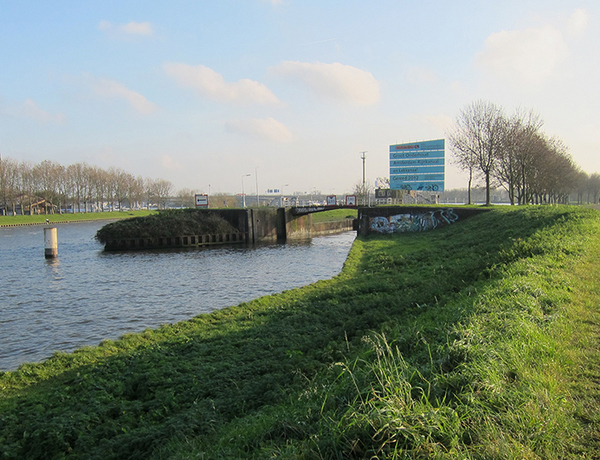
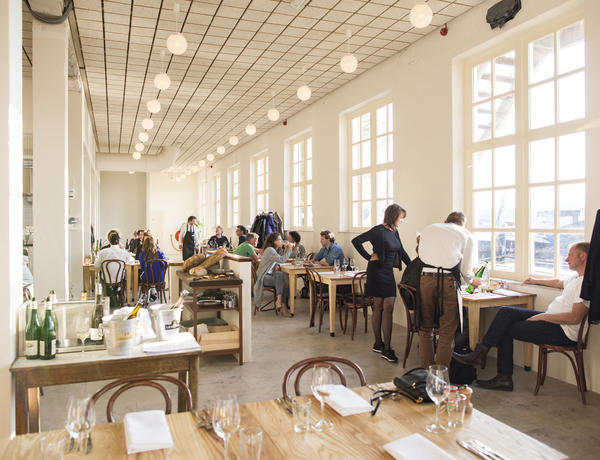
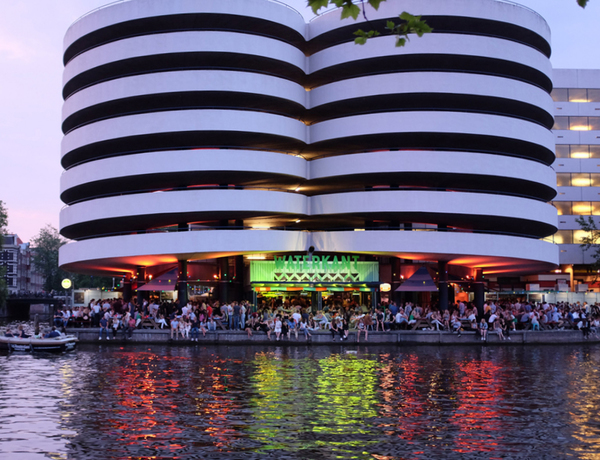
Just a fantastic spot on the edge of the city. Its connection of the Amsterdam-Rijn Canal to the IJ, Amsterdam’s big open water, that was once part of the North Sea, but now dammed in by the Dutch. Sometimes it’s just a relief to leave the prettiness and the cuteness of the Amsterdam canals behind and experience some space. Few people come out here and in summertime it’s just a delightful spot to have a picnic and watch the boats come in.
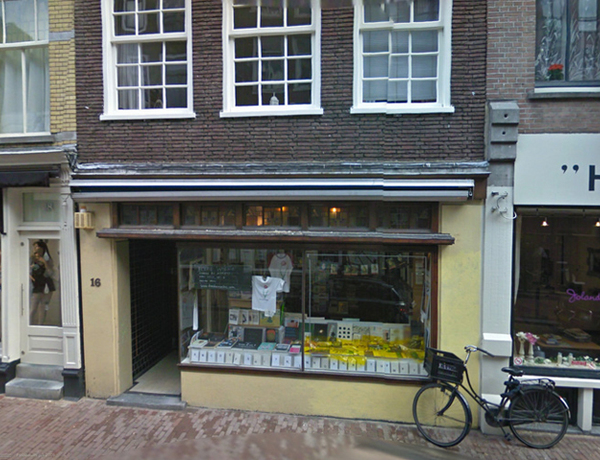
Since I’m a graphic designer I'm obviously into books and my favourite bookstore in Amsterdam is Boekie Woekie. This small shop is located in the Nine Streets and they sell nice and special publications that are often hard to find because they are self published or published by small press publishers. If you are into graphic design you should really check it out.
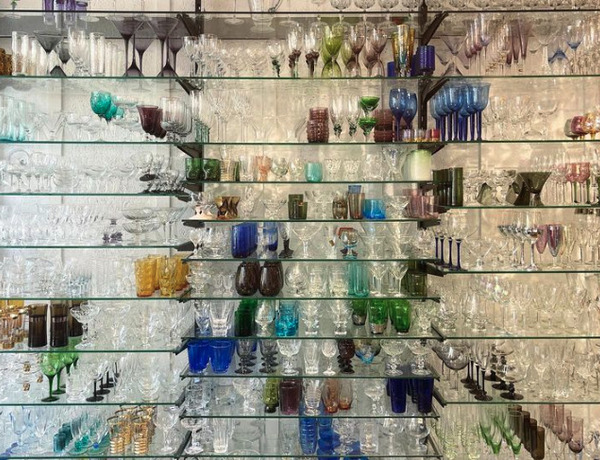
This store is filled floor to ceiling with vintage glass- and tableware from France and other countries surrounding the Netherlands. It is a gem for finding birthday or housewarming gifts.