Grill, bakery, bar.
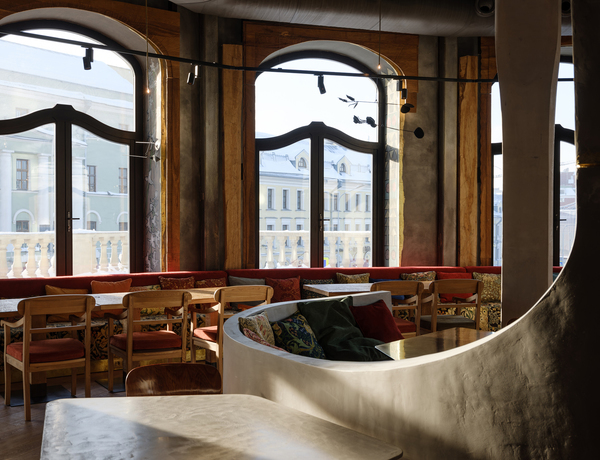
Ovens, jospers and smokers — «Gorynich» bakes and fries in all possible ways. In the restaurant guests can try craft bread from our own bakery, Neapolitan pizza, steaks of our own ageing. And to enjoy the view of old Moscow boulevards through the big panoramic windows.
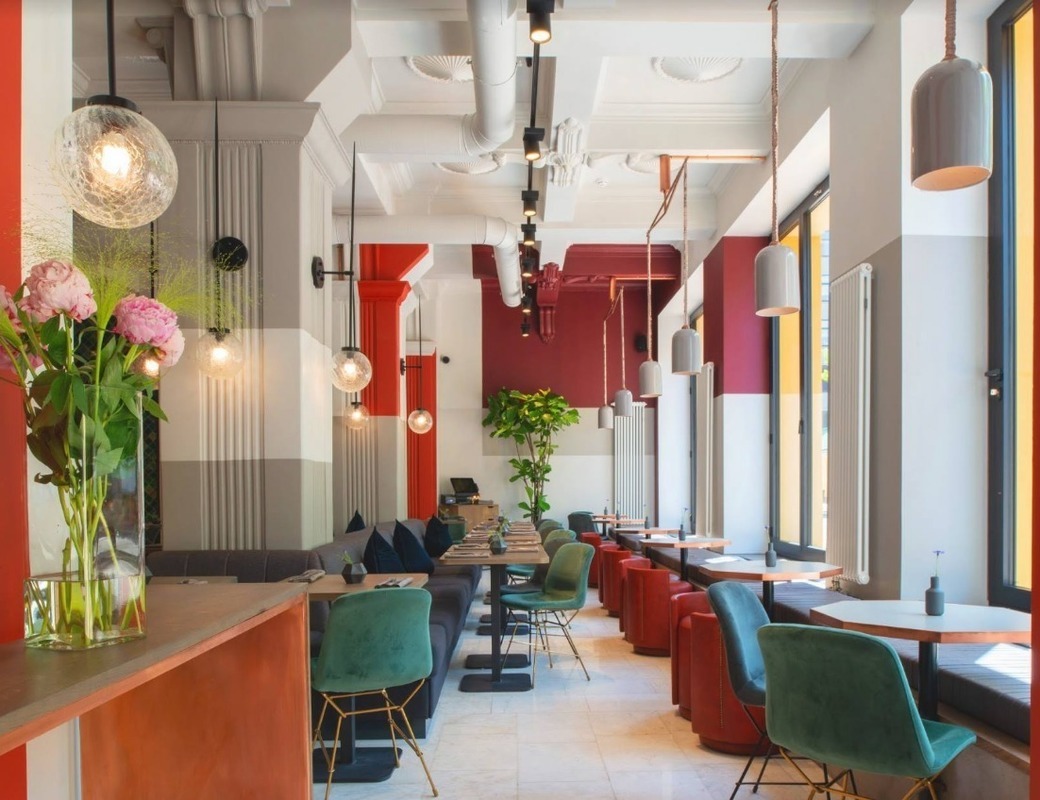
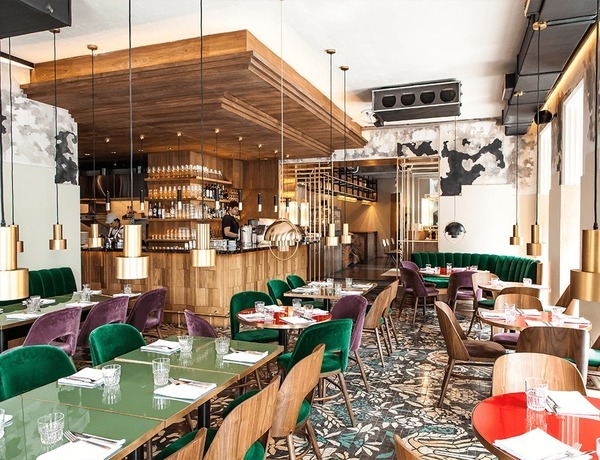
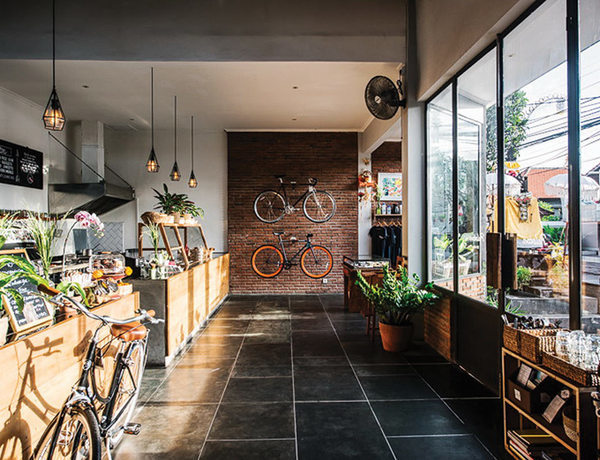
Remy Kitchen Bakery is a restaurant and a bakery in one establishment. Head chef is Melbourne native Glen Ballis and in the menu he aims to reflect the cuisine of his homeland: it's a mix of Italian, French, Greek, Chinese and Japanese elements and all ingredients used are seasonal. Remyboasts a spacious open kitchen and the majority of the dishes are prepared on the Josper grill. The bakery offers a range of mouth-watering freshly baked pastries as well as a deli section, where guests can get something to take.
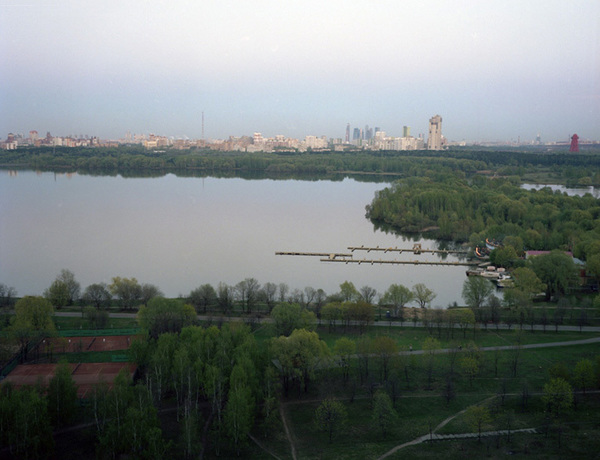
Strogino is a remote residential neibourhood on the northwest end of Moscow, famous for its greenery, water space and barbecue. My good friends, photographers Anastasia Tsayder and Petr Antonov live here. The picture was taken from their balcony. Their place is known as 'photohostel' as many visiting photographers stay with them when they stop over in Moscow.
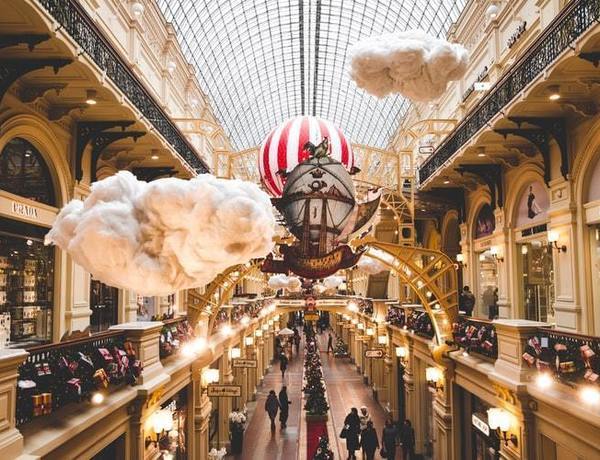
"GUM is not just a store where you can buy almost everything. It is a shopping block where there is a pharmacy, bank branch, and flower shop ... It is a monument of architecture. It is a comfortable lounge area with restaurants and cafes. It is an art gallery and venue for cultural events. It is an integral part of Russian history. It is a symbol of Moscow and it is the closest place to the Kremlin, where you can feel yourself in Europe."
Text: Grigory Revzin.