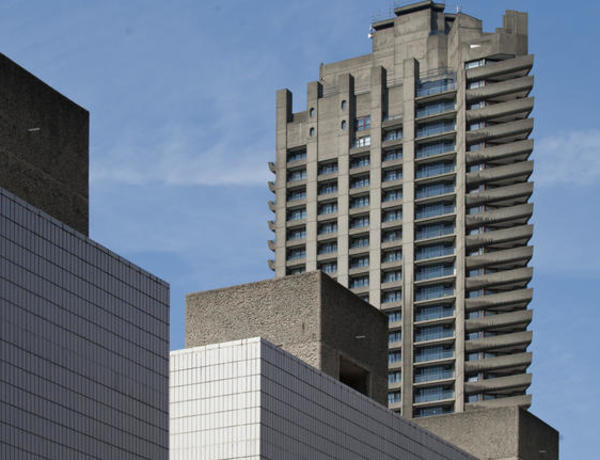
Barbican, a residential estate in central London, is known for its brutalist architecture, almost a social experiment on how to live in an estate. I love walking around this area looking at the geometric shapes, the contrasting public spaces and the use of materials. The term brutalist originates from the fresh word for ‘raw’, and concrete is typically used as one of the main materials.The Barbican centre located in the centre is an arts centre and the largest of its kind in Europe, and was opened in 1982. The centre is used for classic and contemporary concerts, teatre, film screenings and art exhibitions, and houses a library, restaurants, cafes and bars. The areas’ architecture really invites you to go on a photo safari as there are great angles and light everywhere.
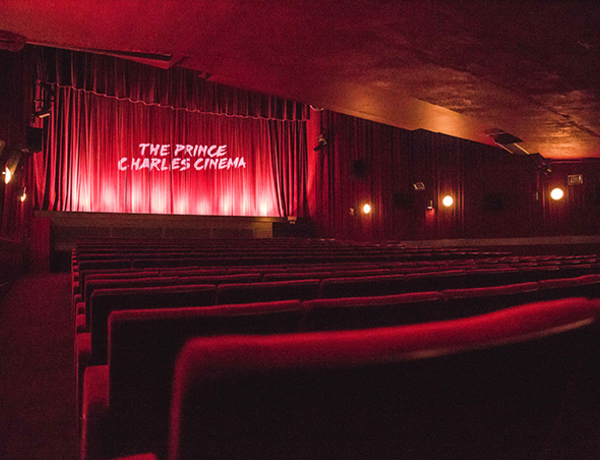
The most special and charming cinema (probably most deprived too) in London. A place to catch a classic or a new release. You can get a lifetime membership for £50, weekly £1 member screenings. A place where staff are as passionate about pictures as its visitors. A must visit for movie buffs.
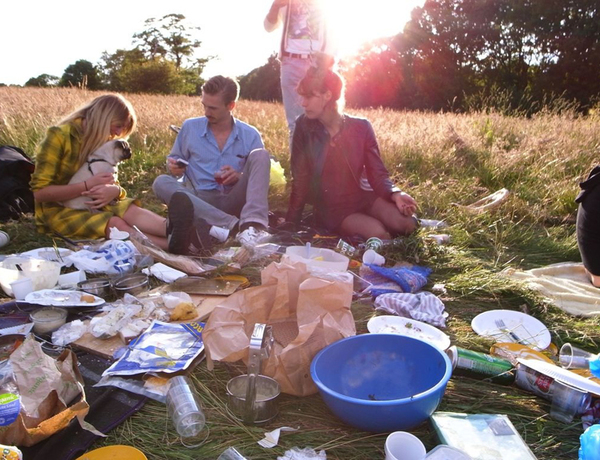
Warm summer nights should be spent in the high grass in Hampstead Heath above the ponds. For midsummer bring herring, snaps and songs and stay until sunrise!
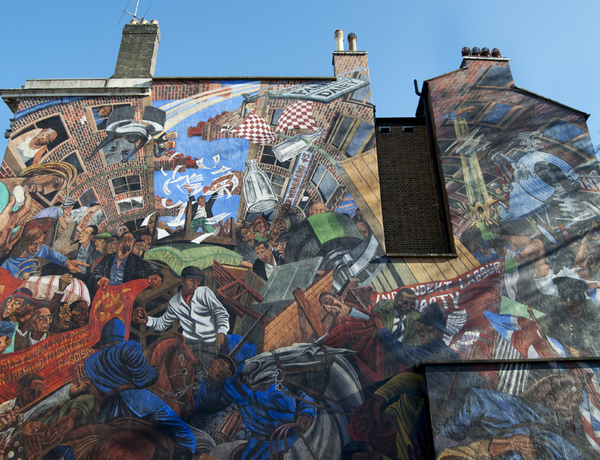
In 1936 Oswald Mosley's British Union of Fascists attempted to march through East London in what was an attempt at an intimidating show of strength. Like today, this area was home to a large number of ethnic and religious minorities, particularly Jews. 300,000 people came out to oppose the march and blocked the route. The battle that followed was actually between the protesters and the police who tried to clear the route so that the march could take place. Seeing that they faced a losing battle and possibly a riot Mosley called off the march. The artist Dave Binnington began this mural in 1976 to commemorate that day, and it was eventually finished in 1982. The mural and the battle of Cable Street are both perfect examples of Britain at its very best.