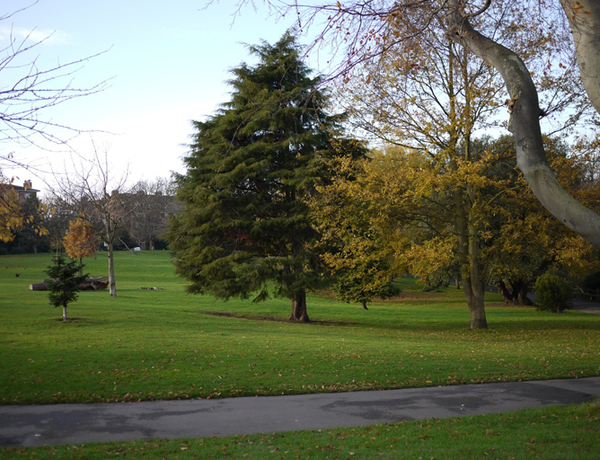
Half a mile from Markfield Park down the River Lee is Springfield Park. The park rises steeply up from the river and has an amazing array of tree species making it beautiful in all seasons. At the brim of the hill there is a line of park benches each one surrounded by box hedge offering a private view across the Lee Valley, Walthamstow and beyond. The park warden was nice enough to give me a chestnut log a couple of years ago from which I carved a bench and two stools.
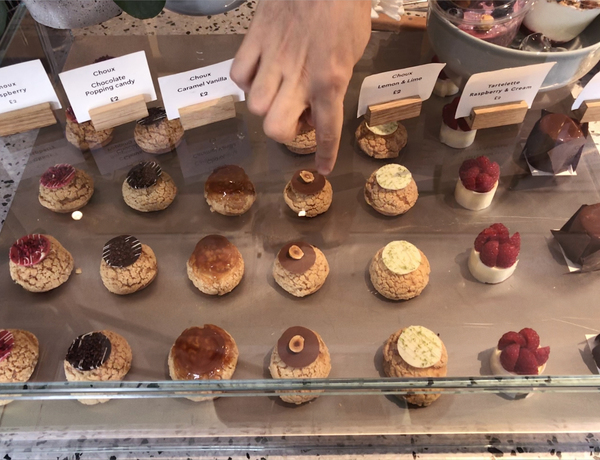
Sans Pere is my new favourite place to have breakfast, café or lunch. In the heart of Shoreditch it really feels like a modern home. Their quiches are delicious and they have an in-house patisserie kitchen and let me tell you their cute bite-size choux and bronuts (brioche-donuts) are worth the detour.
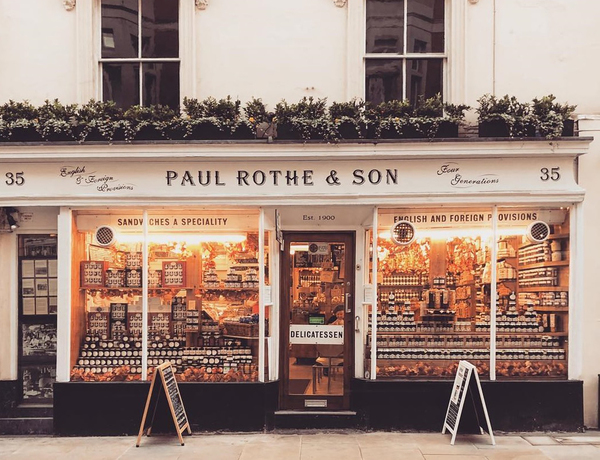
Paul Rothe n Son has been there 120 years, bang in the middle of town. Hard to find a proper old-school deli in central London nowadays, n none more proper than this place. Great jacket potatoes, soup, sandwiches. It looks the part too. And the service is always great. Try and avoid the lunch queue.
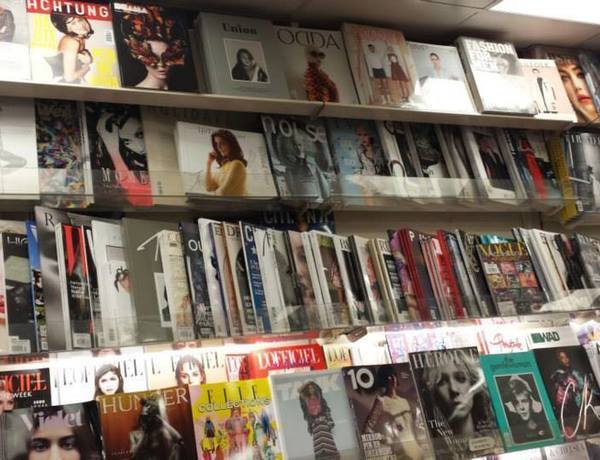
One of the few newsagents in London with the widest selection of specialist international fashion, media, art and design magazines. Just off Portobello Road.