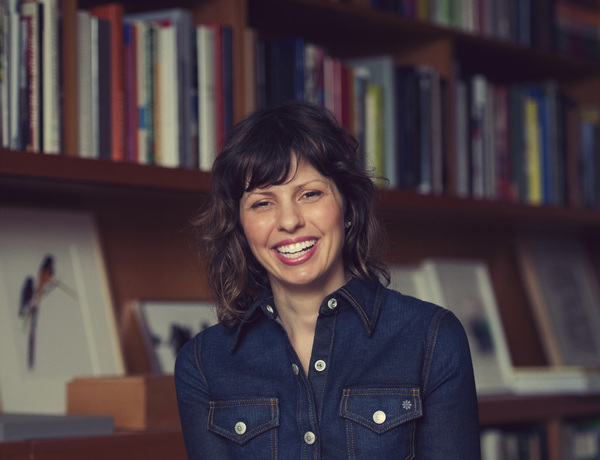
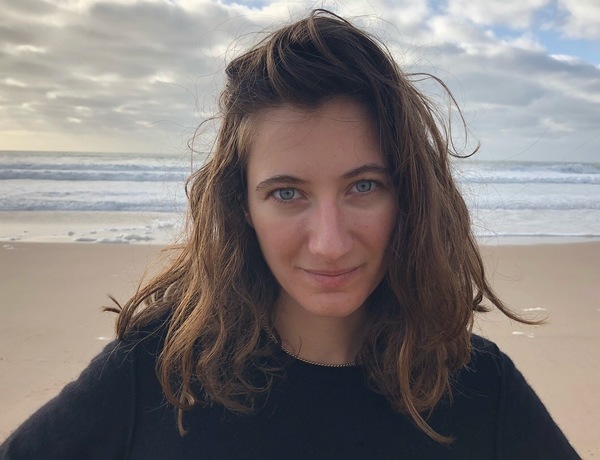
Xinyi Shao is a visual designer based in Brooklyn, NY, specializing in brand identity, editorial design and research. Her work has been recognized and awarded by Core77 Awards, TDC, Graphis Awards, Communication Arts Awards, Creative Communication Awards, IDA Design Awards. Influenced by her former finance background, her emphasis on reasoning and precision has made her value research and process, which brings originality and depth to her work. Within a root in typography and interests in technology, she explores new ways of making according to the rapidly changing world and media environment. She holds an MFA in graphic design from ArtCenter College of Design and a BS from Southern University of Science and Technology.
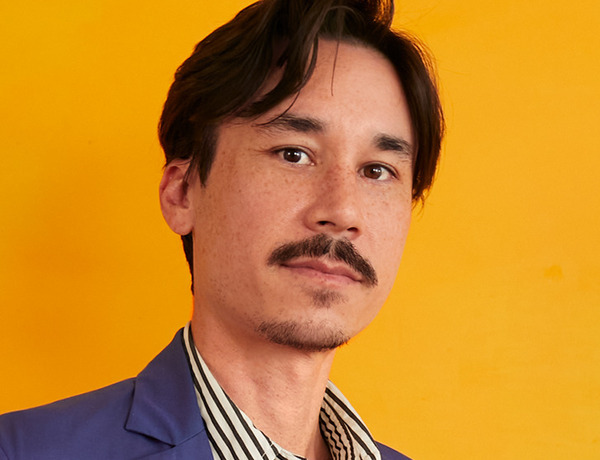
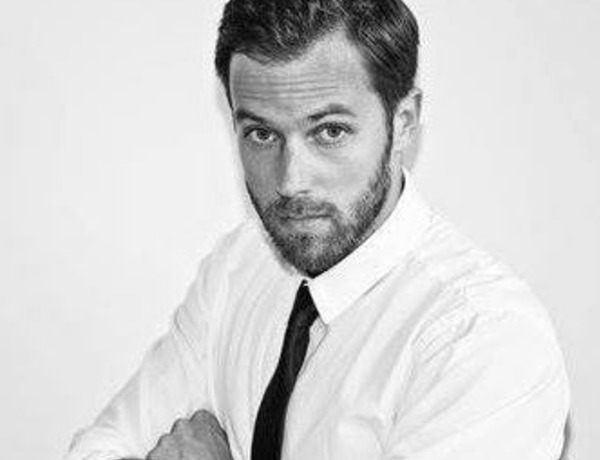
Saxon Campbell is designer, creative, and photographer. Saxon is from Oklahoma originally but currently resides in Brooklyn, New York. Saxon graduated Northeastern State University in Tahlequah, Oklahoma with a bachelor's of art degree, majoring in visual communication with photography and minoring in graphic design.
Saxon has lived in the New York for awhile now working with clients of all kinds. Saxon’s has worked in fashion, fitness, residential, university, and non-profit organizations.
Saxon works with a wide range of freelance clients and working with his fashion blog. (es-cape.co)
Saxon is open to all and any work you might have for him. Send him an email. (info@saxoncampbell.com)
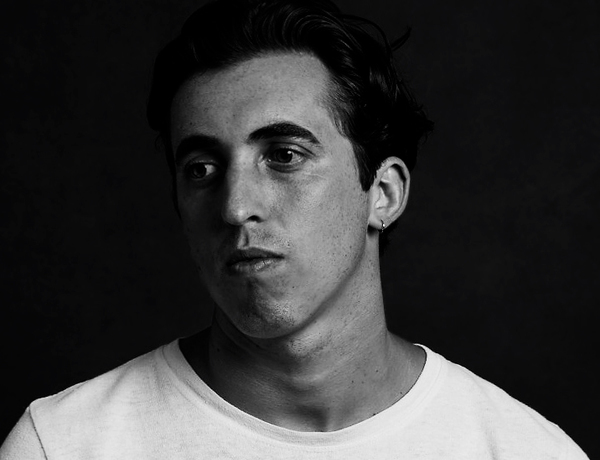
Chris Ballantyne’s work focuses on vernacular architecture and observation of the American landscape. Banal features of suburban and industrial zones are sources for paintings that highlight the quirky and absurd. Ballantyne states that, “Growing up in a military family and moving to different parts of the country, there was a certain familiarity to the kinds of houses and neighborhoods.
They were a series of suburban developments built in separate regions of the country, always on the outskirts of larger cities, at the exit ramps of interstate highways, and all very similar in age and design. My own notions of space developed out of this cultural landscape which was striving for an indidvidual sense of personal space, consciously economic, and somewhere between urban and rural.”
Dysfunctional structures are flawless in their strangeness, made beautiful through symmetry, simplified lines and flat, subdued colors. Ballantyne eliminates detail to emphasize the subtleties of the way we experience space and our attempts at containment. He extends these concepts further by expanding the imagery of his paintings beyond the picture plane and onto the surrounding walls.
“Most of my works involve combinations of various places, drawn from memory. As well, my own interests in skateboarding and surfing altered how I saw the use of these structures ranging from empty pools, sidewalk curbs, to ocean jetties in a way that tied in to my sense of this larger push and pull between culture and nature.”
With shrewd restraint, Ballantyne accentuates the antisocial effects of our built environment with a hint of humor and plenty of ambiguity. A curious emptiness permeates the work of Chris Ballantyne. Graphically rendered buildings, pools, parking lots, and fences take on new meanings and amplified significance, isolated on flat fields of color.