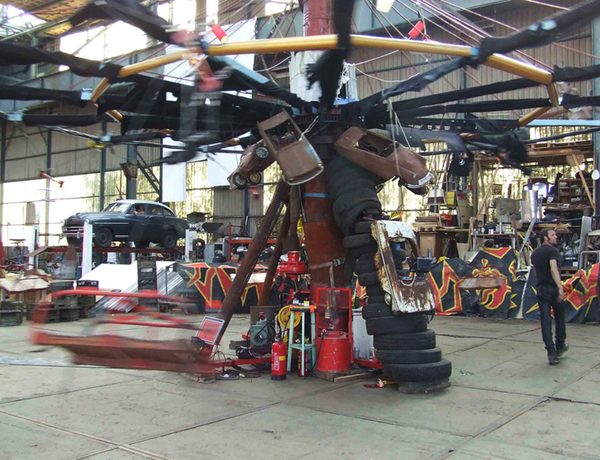
In the ever growing conservative political scene in the Netherlands, the ADM is a reminder of the freedom and chaos that Amsterdam must have once been. It gives me my dose of dirty grittiness, something which is miss in this city in constant renovation and gentrification. Evolving around a main building on an industrial shipyard on the outskirts of town, it's an area where modern gypsies, anarchists, artists and free thinkers build their houses, park their caravans or dock their house boats. It's not entirely my scene, but I am happy to know that it's there. And they throw some amazing festivals!
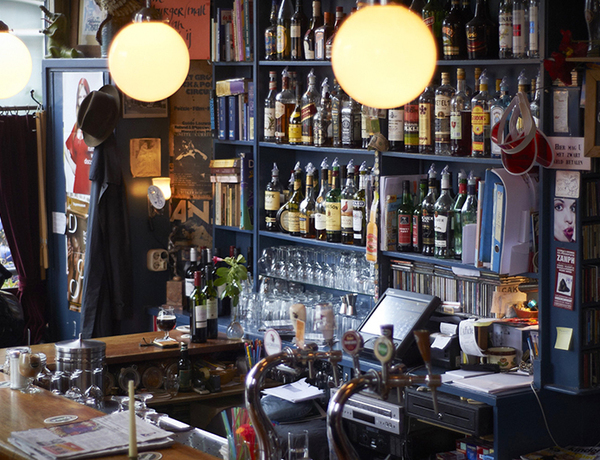
I’m not much of a bar-person, but if and when I do go for a drink, I love to come here. It’s simply the best brown café in Amsterdam. A little off the beaten track, in the middle of a residential neighborhood, you’d really have to go out of your way to come here. Nienke, the proprietress is what we call in Dutch “een topwijf ”. With her warm heart and no nonsense attitude she makes you feel right at home, whether you’re a regular and part of the bar’s furniture, or just pop in occasionally, just like myself.
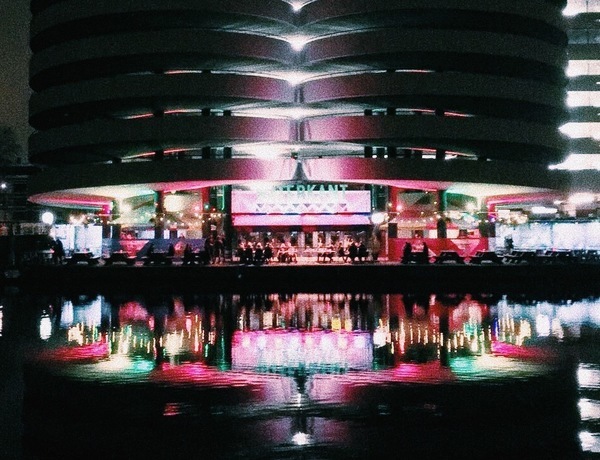
Located under Q-Park, Waterkant is ideal for sunny days since you can get direct sunlight until late evening. Grab a beer and a table on the terrace and enjoy sunny Amsterdam while it lasts.
Note: if you get a bit tipsy you think you see a double Guggenheim
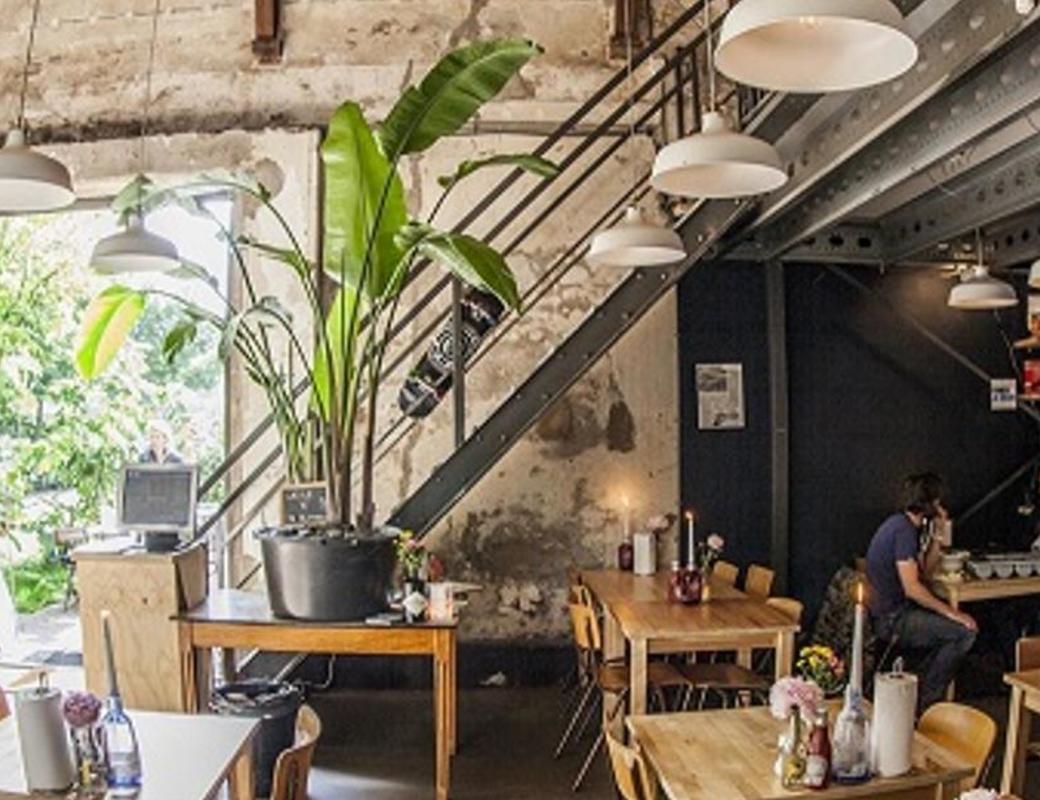
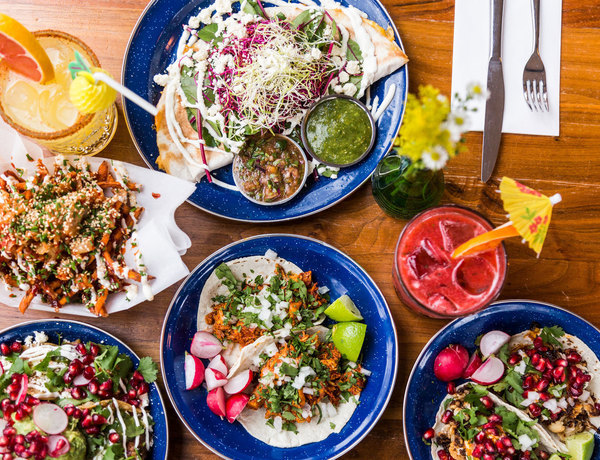
Best brunch I've had in Amsterdam :) Love their bloody mary, and negroni. Also great for dinner!
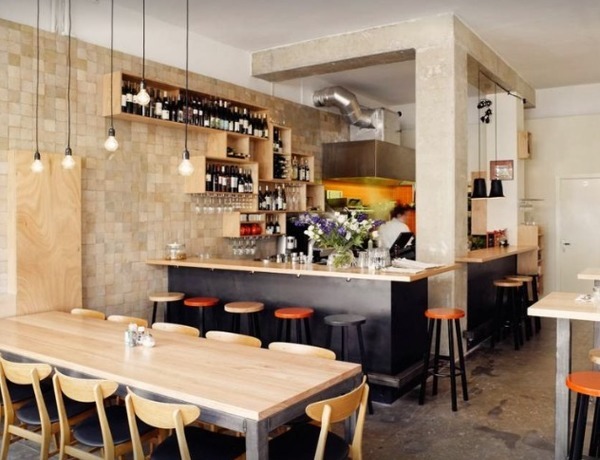
It's owned and run by Australians so it's super laid back and beautifully designed.