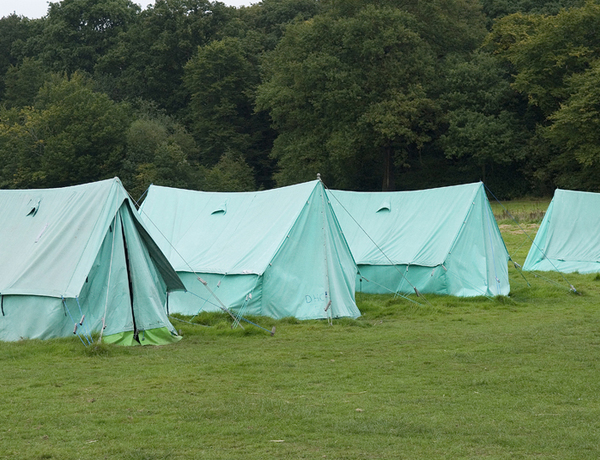
Camping in London? Absolutely! This is one of a few sites which has direct access to Epping Forest from the campsite. Easy to get to by tube, with a fire field and 50 acres to spread out in, this is a great place to recharge your batteries.
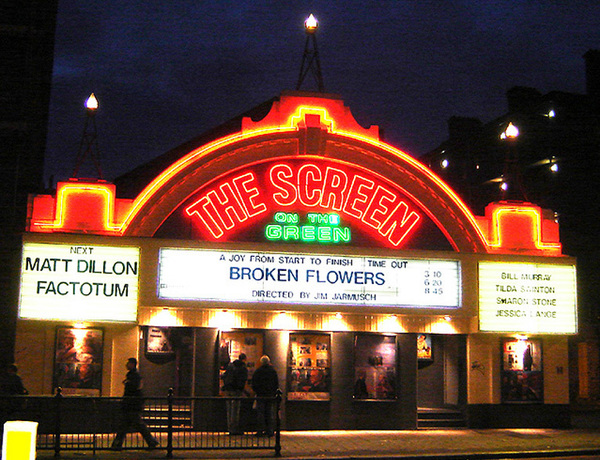
This independent cinema near Angel in North London is over 100 years old and has had several lives including hosting early Sex Pistol gigs. It now serves as my favourite place to watch films (along with the Rio in Dalson).
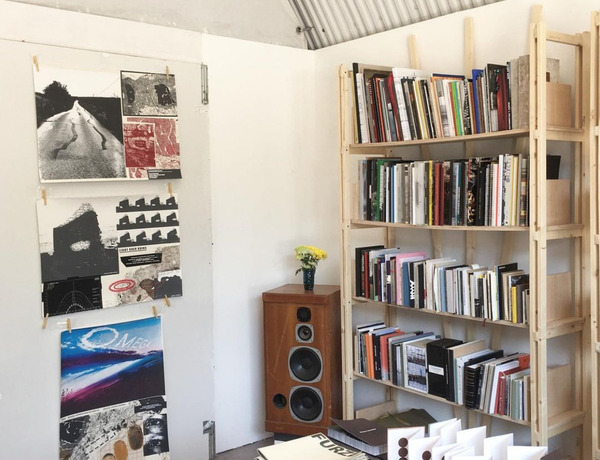
Biblioteka is a library that collects and makes publicly available artists' books, photography books, zines, ephemera and publications on architecture and design.
They operate as an experimental library space exploring what a library could be.
After running 3 spaces in Kyiv, Ukraine their collection is now based in London, UK.
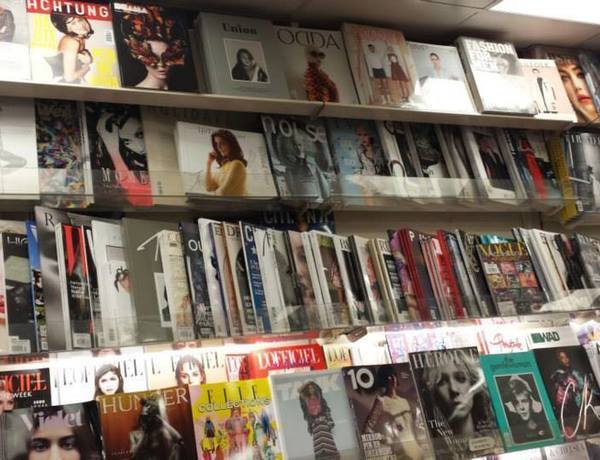
One of the few newsagents in London with the widest selection of specialist international fashion, media, art and design magazines. Just off Portobello Road.
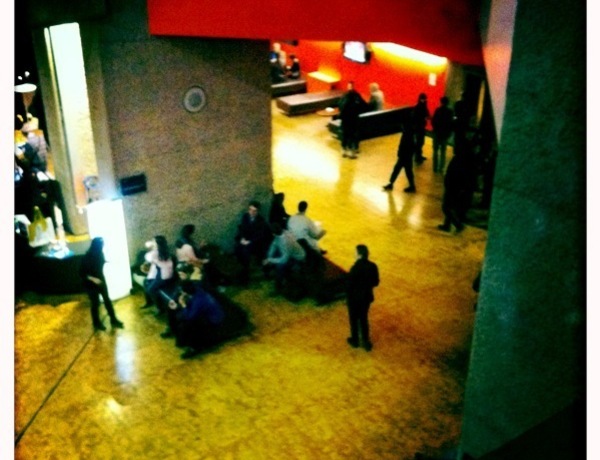
The Barbican is worth visiting for it's brutalist architecture alone. The concert programming is really diverse; it's home to the BBC Syphony Orchestra, but you'll also find bands like the Dirty Projectors and the National amongst the classical and contemporary composer line up. Plenty of art, dance and theatre too, however, the Conservatory is the real gem that's not to be missed.