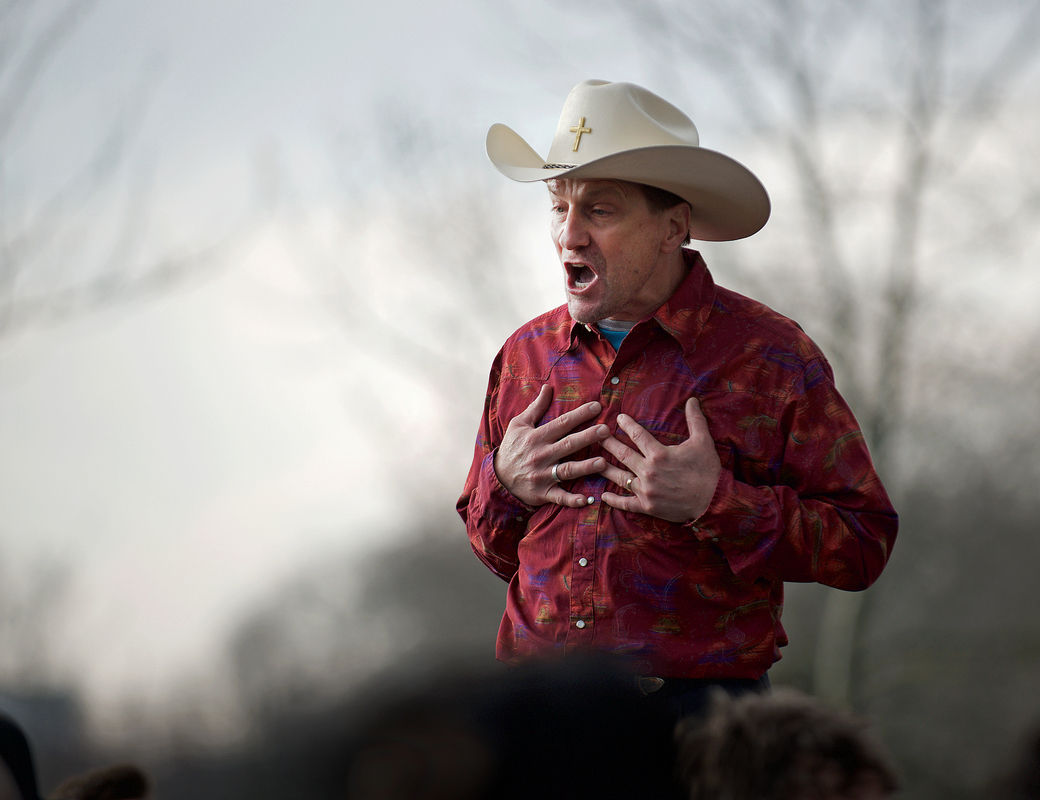
Although freedom of speech is a human right in most civilised countries, Speakers’ Corner has been described as one of the few places in the world where anyone can just climb on a ‘soapbox’ and speak their minds on any subject as long as the police considers it lawful – and almost be guaranteed an audience. It has been like this ever since this area of London’s Hyde Park was the site of Tyburn gallows, where public executions took place between 1196 and 1783, and the condemned were allowed to speak before being hanged. Over the centuries, Speakers’ Corner has been the site of riots, demonstrations, public meetings of groups – such as the communists – that weren’t allowed to gather anywhere else, and was frequented by Marx, Lenin, George Orwell and many other historic figures.  While today it is mainly the scene of eccentrics, religious fanatics and oddballs of all kinds, several prominent speakers such as Heiko Khoo and Jonathan Fitter keep the tradition of meaningful discussions around political and social themes alive. Religion has been debated in Hyde Park since the right to meet and speak freely was formally established in 1872. Today it’s the dominant topic by far, with religious speakers and preachers drawing the biggest crowds and clearly outnumbering the political meetings.  I have been documenting the people gathering here every Sunday since 2012.
Website
enkelmann.co.uk
Address
Speakers' Corner, Marble Arch, London, United Kingdom
Current city: London
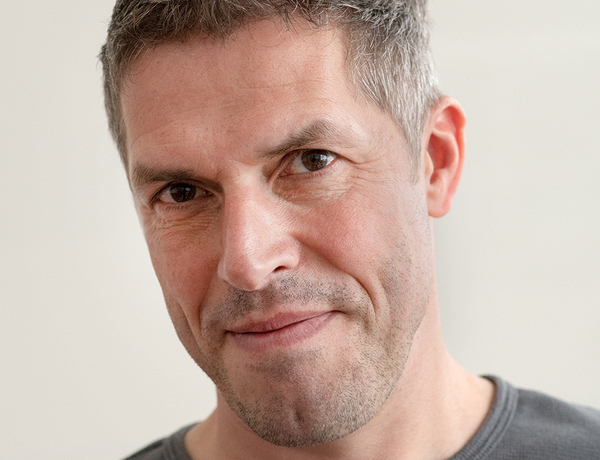
I’m a London-based documentary and travel photographer, dividing my time between commercial commissions and personal projects. 
 

More Places in London 471

A very good selection of non-fiction, essays, and rare books. The Japanese book collection is gorgeous!
Read More
Barbican, a residential estate in central London, is known for its brutalist architecture, almost a social experiment on how to live in an estate. I love walking around this area looking at the geometric shapes, the contrasting public spaces and the use of materials. The term brutalist originates from the fresh word for ‘raw’, and concrete is typically used as one of the main materials.The Barbican centre located in the centre is an arts centre and the largest of its kind in Europe, and was opened in 1982. The centre is used for classic and contemporary concerts, teatre, film screenings and art exhibitions, and houses a library, restaurants, cafes and bars. The areas’ architecture really invites you to go on a photo safari as there are great angles and light everywhere.
Read More
Created a fair few beautiful shoot here, place image not by me
Read More
One of my favourite things about London is the underground transport system itself. I love the design of the information systems and the stations have so much history — some of them dating right back to the 1800s.
Read More
The Roundhouse was built as a steam-engine repair shed in 1846, and then became a warehouse before falling into disuse for 25 years and reopening as a performing arts venue in 1964 hosting acts like Jimi Hendrix, The Doors and Pink Floyd. It was redeveloped between 2004-2006 and is one of my favourite music venues in London; it’s a beautiful building, has a great sound and isn’t too huge so feels fairly intimate. Some highlights for me this year were The Flaming Lips, David Byrne & St.Vincent and the Timepiece installation by Conrad Shawcross.
Read More
Argentina
Austria
Bosnia and Herzegovina
Colombia
Croatia
Czechia
Ecuador
Finland
Georgia
Hong Kong
Iceland
Indonesia
Ireland
Israel
Latvia
Lithuania
Malta
Morocco
New Zealand
Oman
Pakistan
Panama
Philippines
Portugal
Puerto Rico
Romania
Serbia
Singapore
Slovenia
South Africa
South Korea
Sri Lanka
Taiwan
Thailand
Ukraine
United Arab Emirates
Uruguay