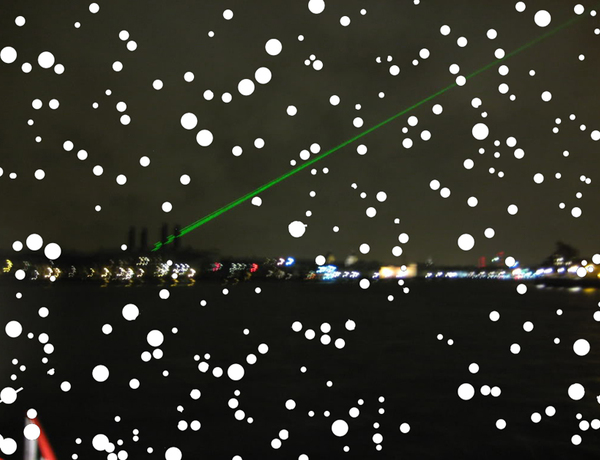
The Greenwich Observatory with its green laser beam can transfigure any night sky. If you decide to cross the Thames via the foot tunnel, make sure you look out for the green ray. You can be on one side of the meridian in a minute, and cross to the other side on the next, without even realising it.
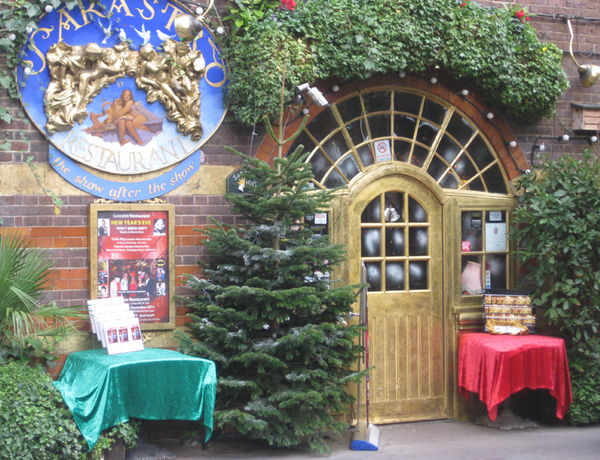
Everyone should visit this absurd restaurant once in their lifetime. Its over-priced, mediocre food but the decor and ambiance is like nothing else in theatrics and campery. You are met on arrival by a white velour 'napkin' artfully screwed up on your diner plate. Absorbent, not? Fabulously awful, yes.
A traditional English pub with a great atmosphere and friendly staff, this is the perfect place to start or end your night. The pub is full of character and very intimate, whether you want to drink with your friends on own your own, you are bound to talk with some of the friendly locals and I’ve never had a bad night there.