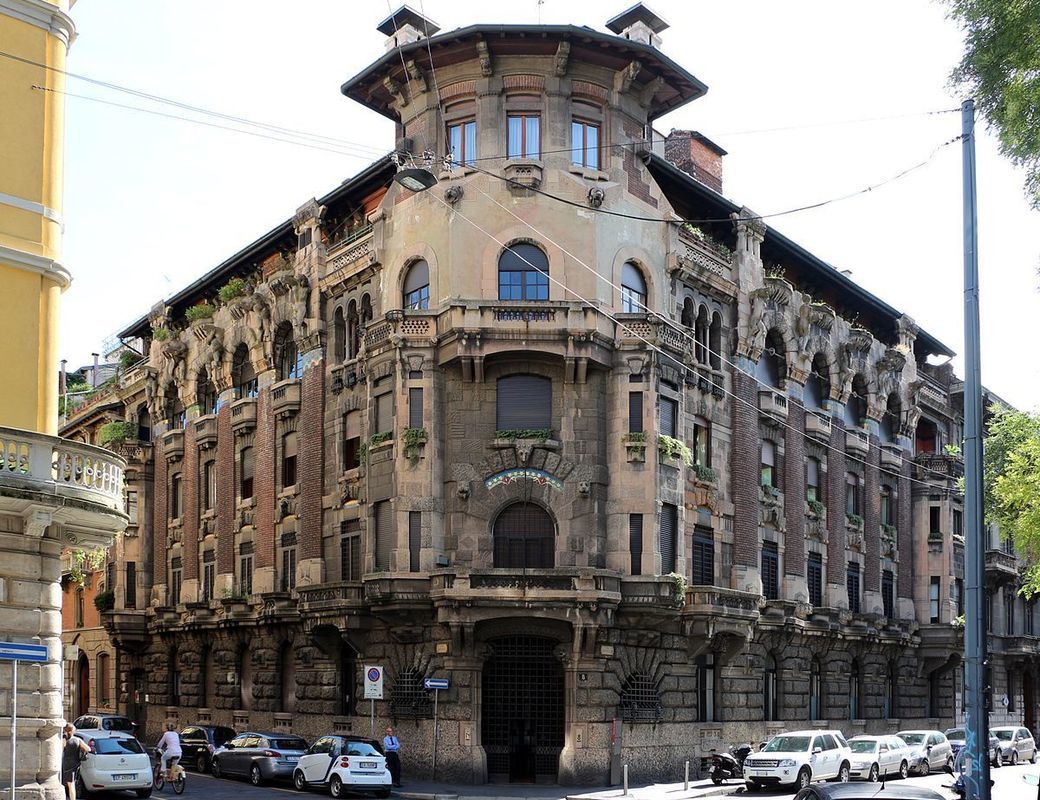

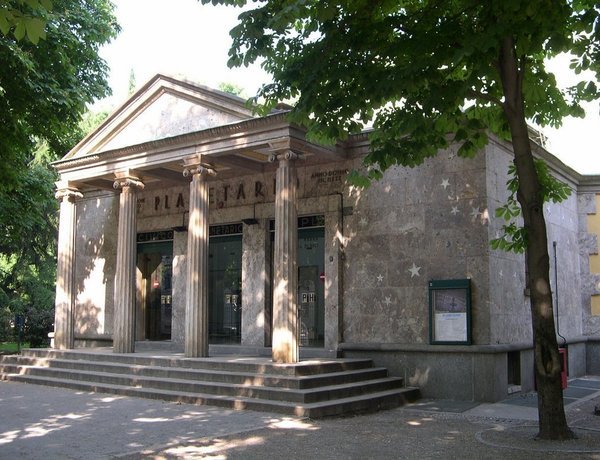
One of my favorite historical building from Milano, 
Address
Berri Meregallìs House, 8 Via Cappuccini, Milan, Italy
Current city: Bogotá
Other cities: MilanFlorence
Designer - Jewelry designer from Colombia
 

More Places in Milan 60

Posted by Clare Walsh
Iconic pasticceria (owned by LVMH) serving beautifully crafted pastries and coffee since 1817. Don't skip on the pistachio croissant!
Read More
Marghe is a great pizzeria which mixes tradition and innovation. Among the classic pizzas there are also vegan and seasonal pizzas.
Read More
"I believe we are at a time in society where open and honest communication is not only necessary, but revolutionary. When governments and political systems are no longer a reference point for progress, we look to other places, such as creative institutions, to facilitate that dialogue. Our aim is to change the definition of what it is to be a cultural centre; the Triennale will be a place of reflection and debate, connected with the contemporary culture in a dynamic way that offers new point of view on topics that lie at the very core of our global society." Stefano Boeri, President, 2018
Read More
Flowers lovers! Orto Botanico di Brera is an hidden treasure right in the center of Brera and near by Pinacoteca. The garden is a university and museum, there they organize events and activities for the public and schools. It has an amazing collection of flowers and medicinal plants, plus little corners where you can stop by and enjoy the silence for a bit.
Read More
The Brera Gallery was officially established in 1809, even though a first heterogeneous collection with educational purpose existed already from 1776 – and then increased in the following years – alongside the Accademia di Belle Arti, requested by Mary Therese of Austria to offer the students the opportunity to study lofty masterpieces of art close up. Brera become a museum to host the most important works of art from all of the areas conquered by the French armies. So unlike other important museums in Italy such as the Uffizi, Brera did not start out life as the private collection of a prince or nobleman but as the product of a deliberate policy decision. Paintings confiscated from churches and convents throughout Lombardy with the religious orders’ dissolution began to pour into the museum in the early years of the 19th century, soon to be joined by artworks of similar provenance from other areas of the Kingdom of Italy. This explains why the collection comprises chiefly religious works, many of them large altarpieces, and accounts for Brera’s special aura on which later acquisitions have had only a minor impact.
Read More
Argentina
Austria
Bosnia and Herzegovina
Colombia
Croatia
Czechia
Ecuador
Finland
Georgia
Hong Kong
Iceland
Indonesia
Ireland
Israel
Latvia
Lithuania
Malta
Morocco
New Zealand
Oman
Pakistan
Panama
Philippines
Portugal
Puerto Rico
Romania
Serbia
Singapore
Slovenia
South Africa
South Korea
Sri Lanka
Taiwan
Thailand
Ukraine
United Arab Emirates
Uruguay