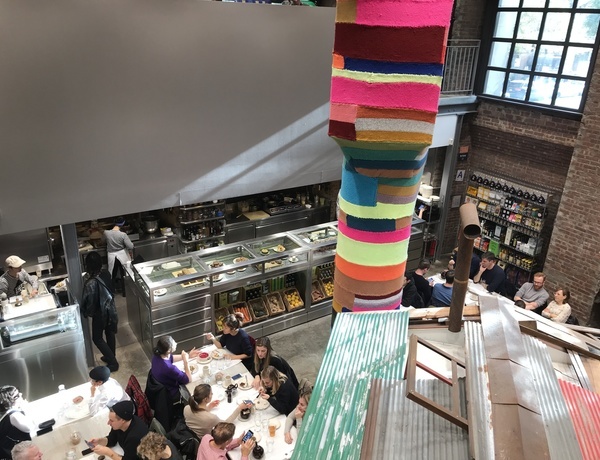
“We wanted to create a place where people felt at home, somewhere that people came back to often and the quality of the food shone.” – Rose Carrarini.
Rose Bakery was created by Rose Carrarini and her husband Jean Charles.
Great place to sit and chat with a friend, definitely try their scone with butter + jam and stroll around Dover Street Market afterwards.
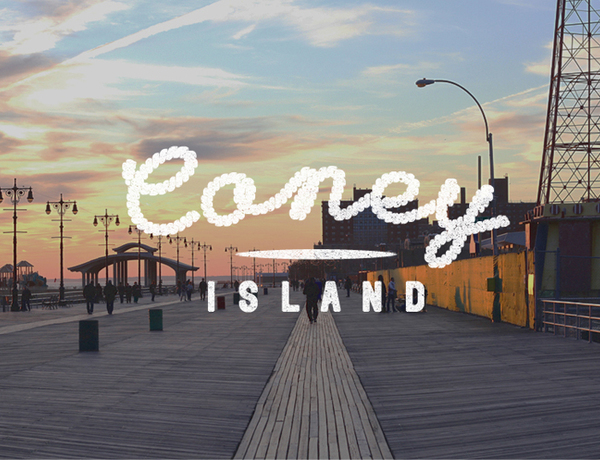
It's sugar-coated shabbyness. I have been there in wintertime, all the rides and attractions were closed, but it´s still nice to have a walk on the beach or spot some funny looking storefronts and vintage-looking rollercosters. A perfect backdrop for photoshootings, a gem for friends of vintage typography. On 4th of july hot dog eating contests are held here (they actually do that!).
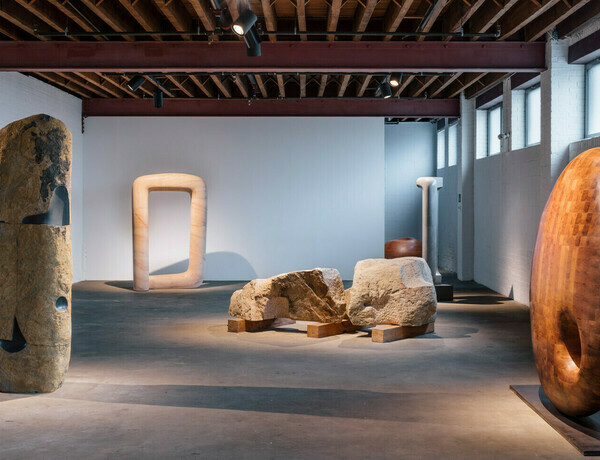
A museum and sculpture garden in the Long Island City section of Queens, New York City, designed and created by the Japanese-American sculptor Isamu Noguchi.
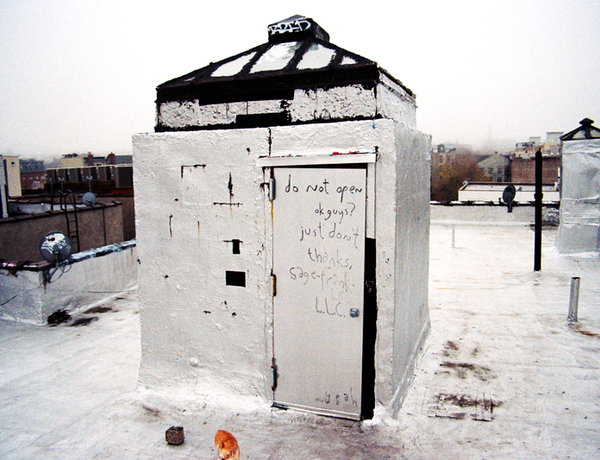
This is the rooftop of my building. I come up here daily with my dog or friends to get 'fresh' air, see what's happening in the streets, or to catch sunsets and the occasional sunrise. My landlord has been trying for months to put a stop to our rooftop access, but every attempt he has made thus far has been futile.