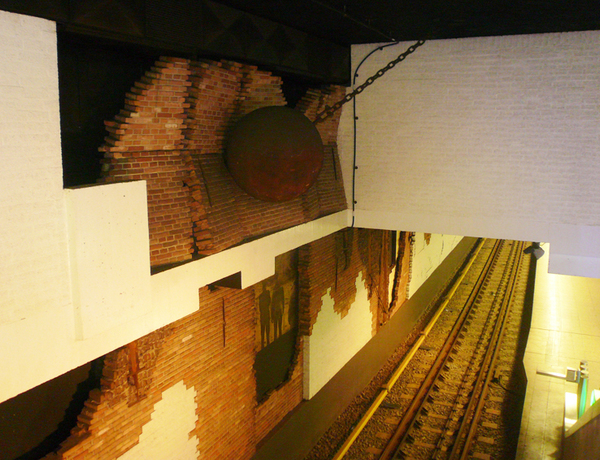
Under the city, the extraordinary Gesamtkunstwerk by Louis van Gasteren, Jan Sierhuis and others is located in Nieuwmarkt underground. This is one of the public artworks of the Seventies and early Eighties endangered due to station renovation on the Underground Eastline. At present there is a notice hanging at different spots on the wall: ‘‘This artwork has been temporally removed due to renovations”.
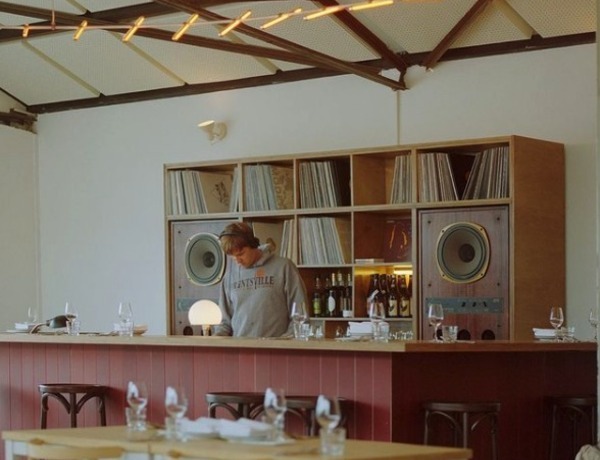
Located in the industrial area of the north resides this asian infused restaurant / bar. They offer a refined sharing menu, with a fine selection of natural wines and sakes. Accompanied by sweet tunes blasting out of their Japan inspired sound system.
lights by nikki hock
photo by Samira Kafala
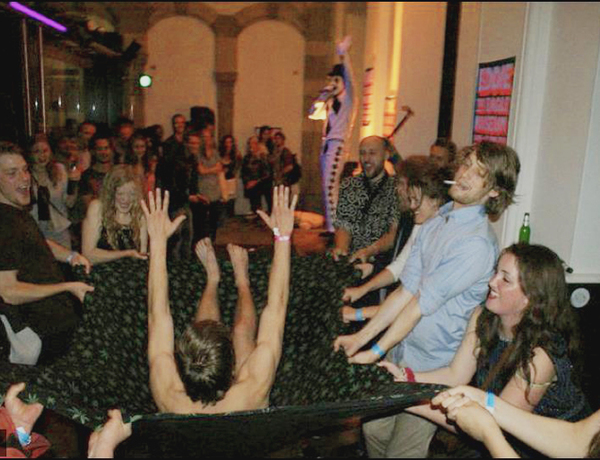
Working under the name of one of the worst ski jumper in history are a crew of close friends who throws some of the wildest parties around town! Their events have included distributing laughing gas in balloons to everyone in the audience, d.i.y circus acts with rats jumping through fire circles, an air gun shooting range to blast cheesy ceramic trinkets, sweaty live shows, gourmet meals for a few euros cooked by master chef Sjim Hendrix, and so much more… Of course, it's all for the sake of art, since they are a museum and also exhibit work :)
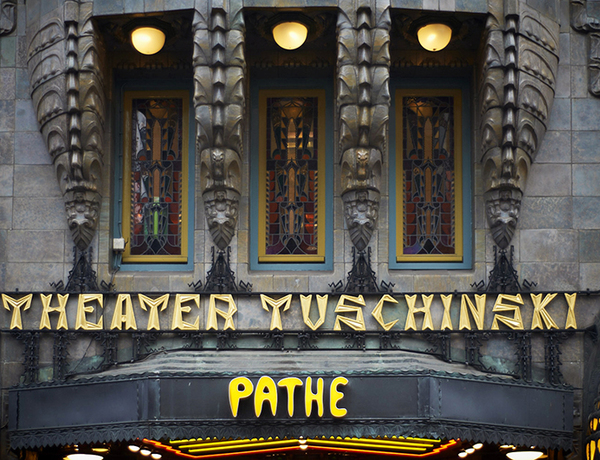
Gorgeous cinema near the Rembrandtsplein. Built in the early 1920s in a very rich architectural style that mixes Jugendstil, the Amsterdam School and Art Deco, the cinema was meant to be a temple for cinematography. The entrance and the main auditorium (Zaal 1) are just simply stunning. It’s been recently restored in its former splendor and is now owned by big distributor Pathé Cinemas. Though a lot of people have been criticizing the fact that a beautiful cinema as this is now exploited by a big commercial chain, I sort of like that fact that also the big blockbusters are usually screened here. It feels like the old days where I imagine you’d simply get overwhelmed by the place and the film and its technique. So my advice is: whatever (crap) plays in Zaal 1, just buy a bag of popcorn, sit back and enjoy.