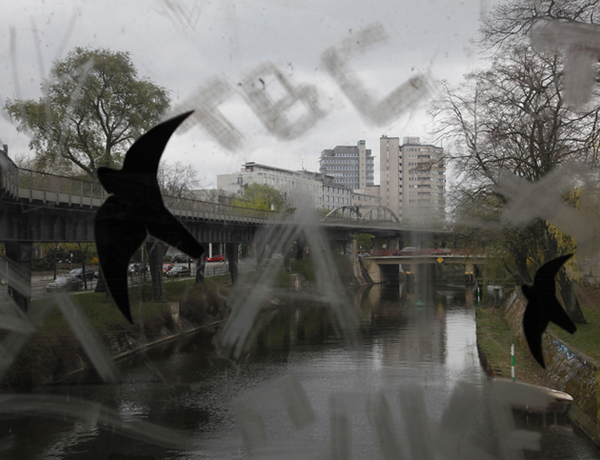
Möckernbrücke is a station of the Berlin U-Bahn network in the western Kreuzberg district, named after a nearby bridge crossing the Landwehrkanal. The bahnhof (train station) is part of the first Stammstrecke route of the Berlin U-Bahn opened on February 15, 1902. As the station also served the nearby Anhalter Bahnhof the original building was soon getting too small to cope with the rising number of passengers. It therefore was demolished and replaced by the current station opened on March 25, 1937. Severely damaged by air raids it was closed on January 30, 1944 and not reopened until June 16, 1947. I like it here for the spookiness and feeling of impending doom that it has on a rainy day.
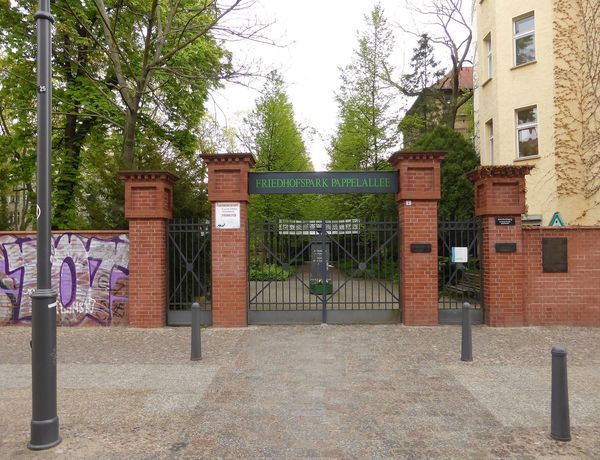
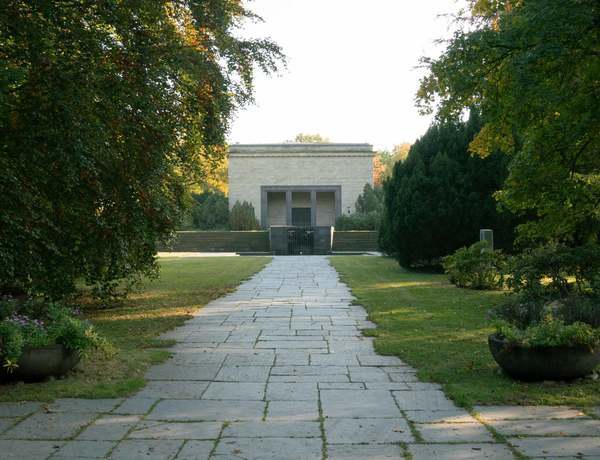
A green oasis wedged between the continuous blocks of apartments, this Cemetery provides a place to be alone or take sleeping kids. I love how from the front it looks slightly macabre and a rigid with it's iron gate. But if you dare to enter its a fantastic place to escape and think.
There's a battle going on locally about adding a building inside the ground to help fund the archive and maintenance of the site. The Chair Anke Reuther feels the park is being disrespected with children playing on the headstones and people using it as a place for picnics.
Whilst i don't know the in's and out's I love seeing this beautiful 'life cycle' playing out under the trees (which have probably seen it all before). I love that people use a cemetery for living and in our ever crowded cities a green space is being claimed by the community. I do feel there is a hushed respect that i don't see in other parks which gives the place a reflective mood. Personally another building would ruin the magic of the place.
Perhaps some more input from the people who use it could be the key? Or even a re-examination of the inscription above the gate:
Make life
good and beautiful here,
no other world is,
no resurrection.