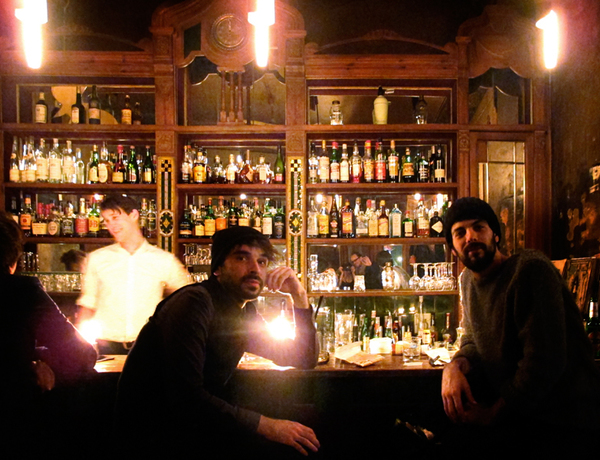
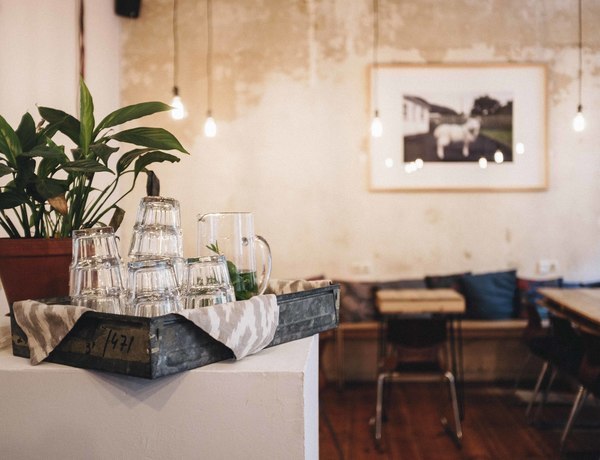
My favourite bar of the many around kreuzkölln is Bellman. After its sudden closure and reopening it underwent some changes and is boycotted by some of its former patronage, but for the less principled like myself it’s still a good place to go and they do pull the best Jever in Berlin.
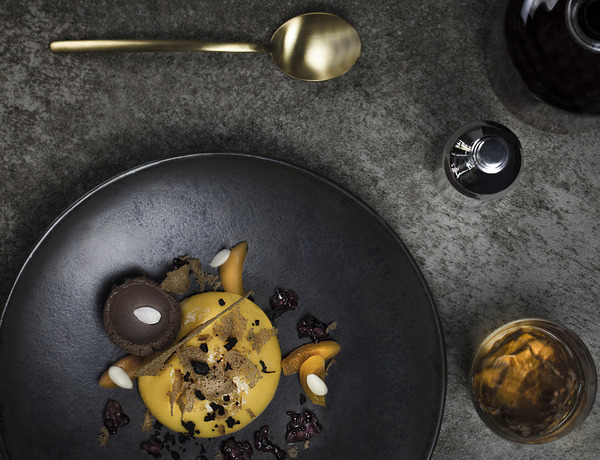
It is a fine dessert dining. Unique full-on experience with dessert (no industrial sugar is used) course menu and pairing drinks. No wonder they have got a Michelin star!
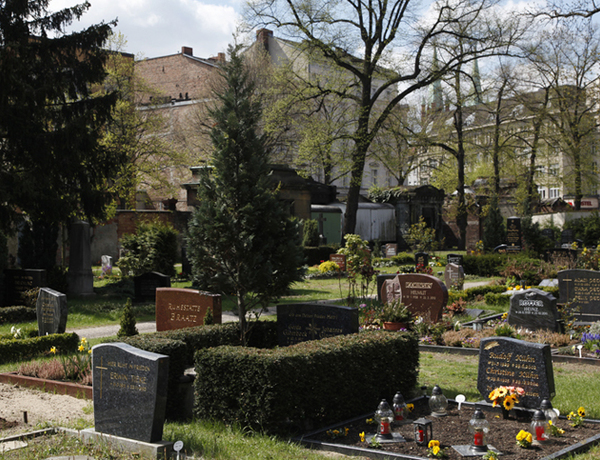
Cemetery of the Dreifaltigkeitsgemeinde (Dreifaltigkeitsfriedhof) in Kreuzburg on Mehringdamm 22, between Zossener Strasse and Blücherstrasse. The grandson of German-Jewish philosopher Moses Mendelssohn, is musician Jakob Ludwig Felix Mendelssohn who was born in Hamburg and lived in Berlin from age two. Felix Mendelssohn and his family are buried in the middle of Kreuzburg at the Cemetery of the Dreifaltigkeitsgemeinde. Today it is administered together with its 5 neighbouring Protestant cemeteries by the cemetery administration St. Jacobi number I.
This café is where I go when I want to feel at home and spoil myself with food
prepared with passion and care.
I spend hours between a coffee and a carrot cake while working on my computer