Flughafen Tempelhof was once the symbol of nazi-pride when Hitler notoriously comissioned construction of the smallest duty free shop in the world (and a beautiful example of fascist architecture). After the war, Tempelhof became one of the frontiers of the cold war with the U.S. battling the communists (who undoubtedly wanted to get rid of the small duty free shop altogether) via the Berlin Airlift. It turned out to be a huge succes, and enabled the allied forces to remain their presence in Berlin and save the small duty free shop. The real free-market victory will come in about two years though, when project developers will take over and start building houses, blocking my view onto the airfield.
As its name suggests this bibliophile cabinet accommodates finds from many centuries and areas. Everything - junk and treasures - from the floor up to the ceiling. Don’t be shy to ask the owner if you’re looking for something specific.
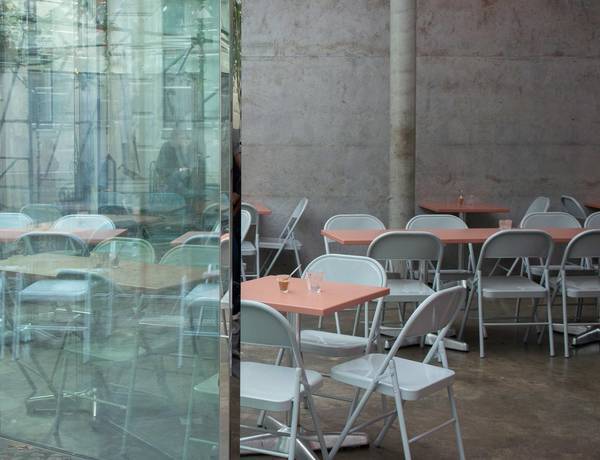
Berlin has plenty of magic cafés in every corner. This is one of them. It's quiet and it has a mixture of lights and furniture that really catches me. Cakes and coffees are also very tasty.
The typical Berlin winter is biting cold and grey. In combination with the hardness of the city and the angry natives, it feels like a hostile area. Why it's worth experiencing it? Because that's the way this city is.