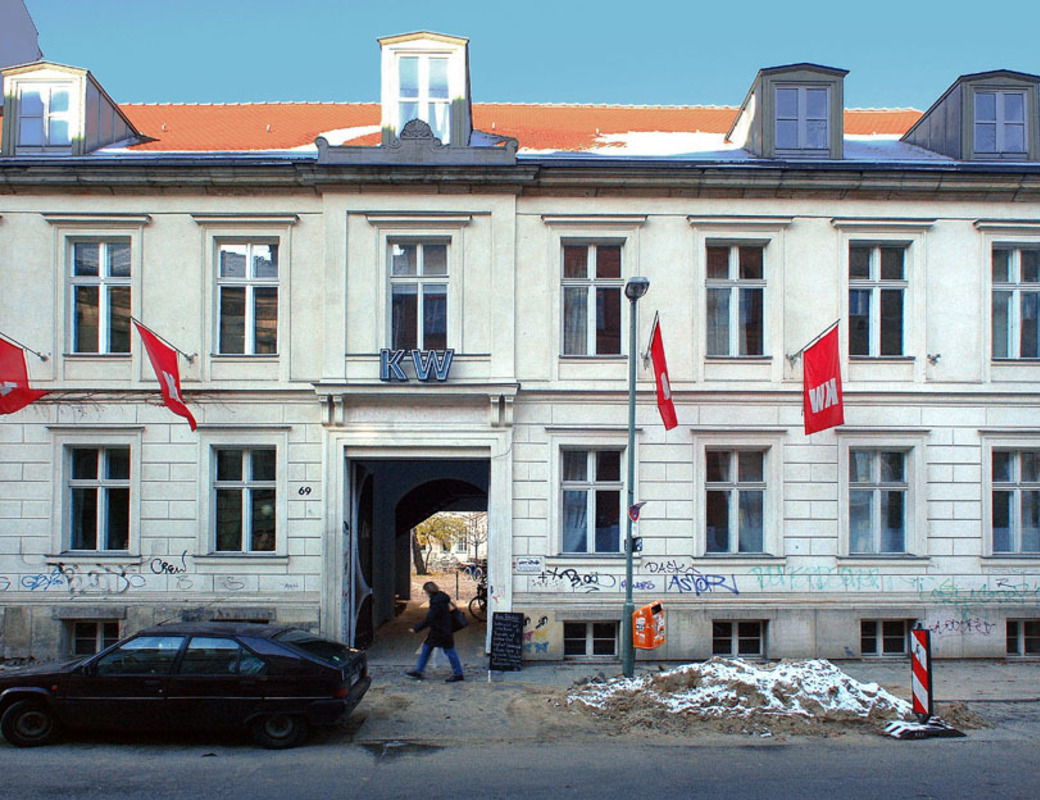
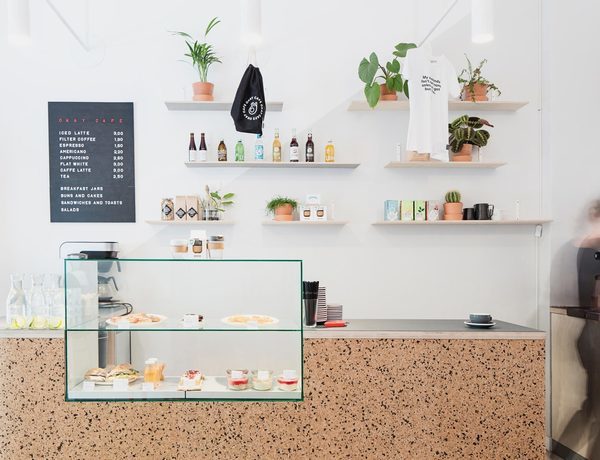
Kw is a great art institute situated at the backyard of a very eastern part of town, place for many other small galleries. Auguststrasse is worth the walk and Kw is worth the stop.
I’m a photographer from Brazil, based in Berlin. I’m attached to this city since 5 years and I have been trying it out from top to bottom, from inside out. Here are some of my personal highlights.
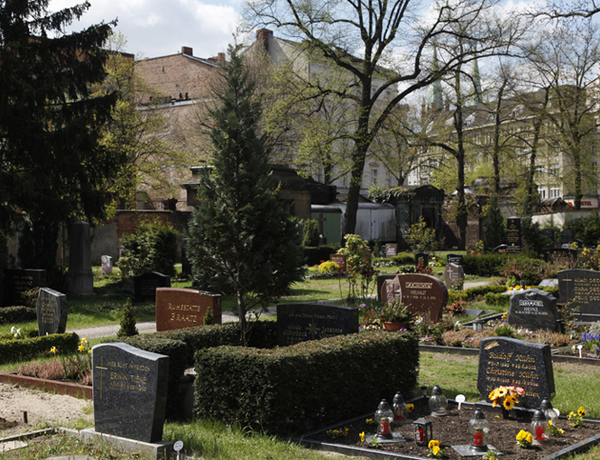
Cemetery of the Dreifaltigkeitsgemeinde (Dreifaltigkeitsfriedhof) in Kreuzburg on Mehringdamm 22, between Zossener Strasse and Blücherstrasse. The grandson of German-Jewish philosopher Moses Mendelssohn, is musician Jakob Ludwig Felix Mendelssohn who was born in Hamburg and lived in Berlin from age two. Felix Mendelssohn and his family are buried in the middle of Kreuzburg at the Cemetery of the Dreifaltigkeitsgemeinde. Today it is administered together with its 5 neighbouring Protestant cemeteries by the cemetery administration St. Jacobi number I.
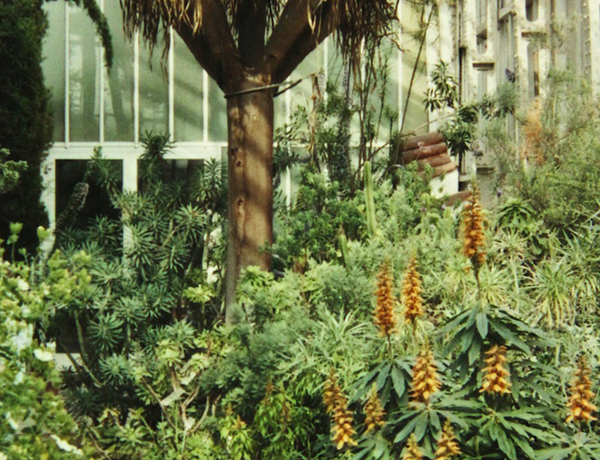
This place is like being in the Canary Islands, where my hometown is. The wonderful botanical garden has around 22.000 different plant species. I can find here all the tropical species from the island where i grew up: birds of Paradise, palms or dragon trees.
I never knew this neighbourhood existed and went to visit a friend and was instantly transported out of Berlin into some sort of 50's utopia.
"The Hansaviertel is a prime example of modern architecture and urban planning in the fifties in Berlin.
36 individual buildings or ensembles still form the model of modern architecture and urban planning of the 1950s. The southern part of the war-damaged Hansaviertel, which lies between the S-Bahn line and Tiergarten, was chosen as the central demonstration area of the International Building Exhibition in order to present the "city of tomorrow" - in deliberate contrast to the East Berlin Stalinallee and the restored tenement barracks." - berlin.de
Also visit The Akademie der Künste, if not for the art then the architecture alone.
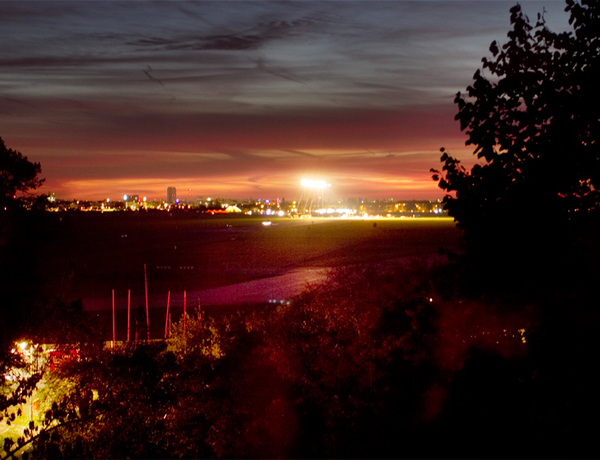
Flughafen Tempelhof was once the symbol of nazi-pride when Hitler notoriously comissioned construction of the smallest duty free shop in the world (and a beautiful example of fascist architecture). After the war, Tempelhof became one of the frontiers of the cold war with the U.S. battling the communists (who undoubtedly wanted to get rid of the small duty free shop altogether) via the Berlin Airlift. It turned out to be a huge succes, and enabled the allied forces to remain their presence in Berlin and save the small duty free shop. The real free-market victory will come in about two years though, when project developers will take over and start building houses, blocking my view onto the airfield.