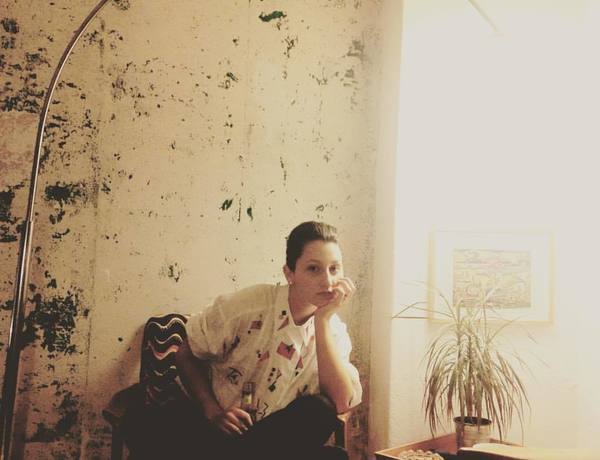
I’m a photographer from Brazil, based in Berlin. I’m attached to this city since 5 years and I have been trying it out from top to bottom, from inside out. Here are some of my personal highlights.
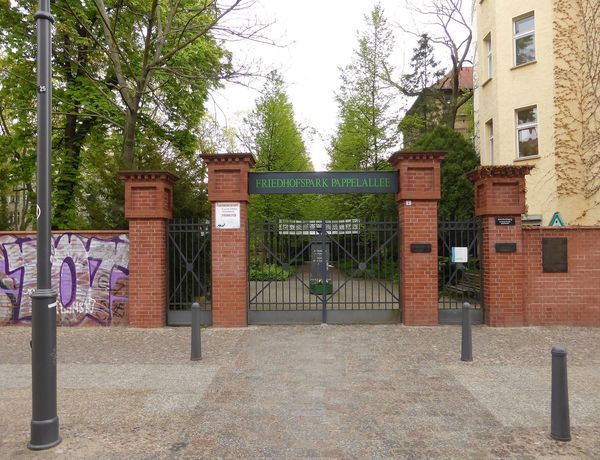
A green oasis wedged between the continuous blocks of apartments, this Cemetery provides a place to be alone or take sleeping kids. I love how from the front it looks slightly macabre and a rigid with it's iron gate. But if you dare to enter its a fantastic place to escape and think.
There's a battle going on locally about adding a building inside the ground to help fund the archive and maintenance of the site. The Chair Anke Reuther feels the park is being disrespected with children playing on the headstones and people using it as a place for picnics.
Whilst i don't know the in's and out's I love seeing this beautiful 'life cycle' playing out under the trees (which have probably seen it all before). I love that people use a cemetery for living and in our ever crowded cities a green space is being claimed by the community. I do feel there is a hushed respect that i don't see in other parks which gives the place a reflective mood. Personally another building would ruin the magic of the place.
Perhaps some more input from the people who use it could be the key? Or even a re-examination of the inscription above the gate:
Make life
good and beautiful here,
no other world is,
no resurrection.
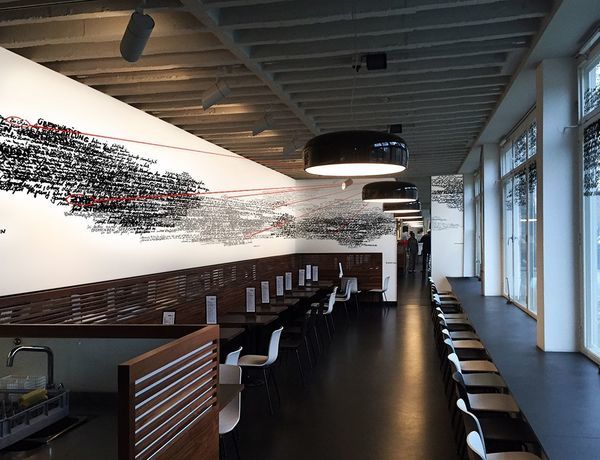
This museum of photography is really great, and the highlight for me after the inspiring exhibitions is the good coffee and great cakes at their coffee place.
I find myself there almost every second week for a drink and a slice of cake. The food is perfect, the ambiance is nice and it's really alive as a lot of people are coming directly from the running exhibition. At the entrance you can find an interesting bookstore and the best photoautomat of the city right outside.
Last but not least, it's only some meters from the Helmut Newton Fondation ( which doesn't have a nice coffee place itself yet ).
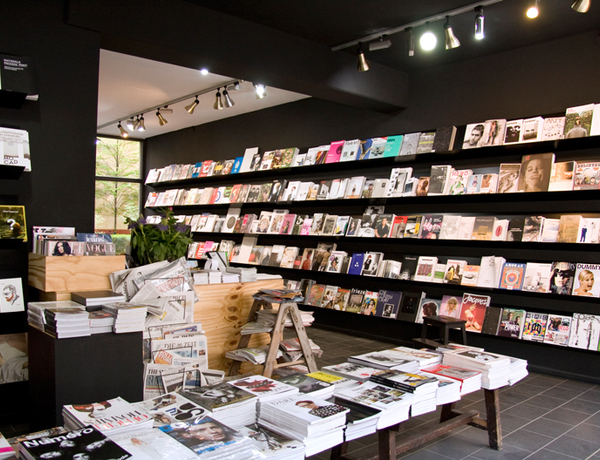
It's a small bookshop to be stuck forever. Here you can find the most beautiful collection of art/photography/architecture/fashion/food books and magazines, not to count it's just a walk distance to diverse galleries around the neighborhood.
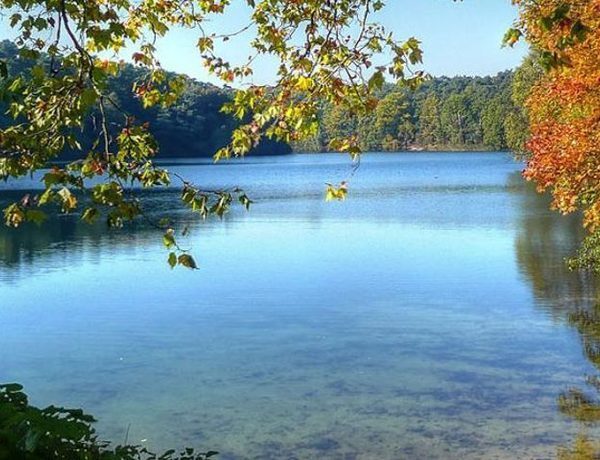
My favorite lake to visit during the warmest months. It's located in the southwestern part of Berlin and it's reacheable by public transportation, just around 40min from the city center.