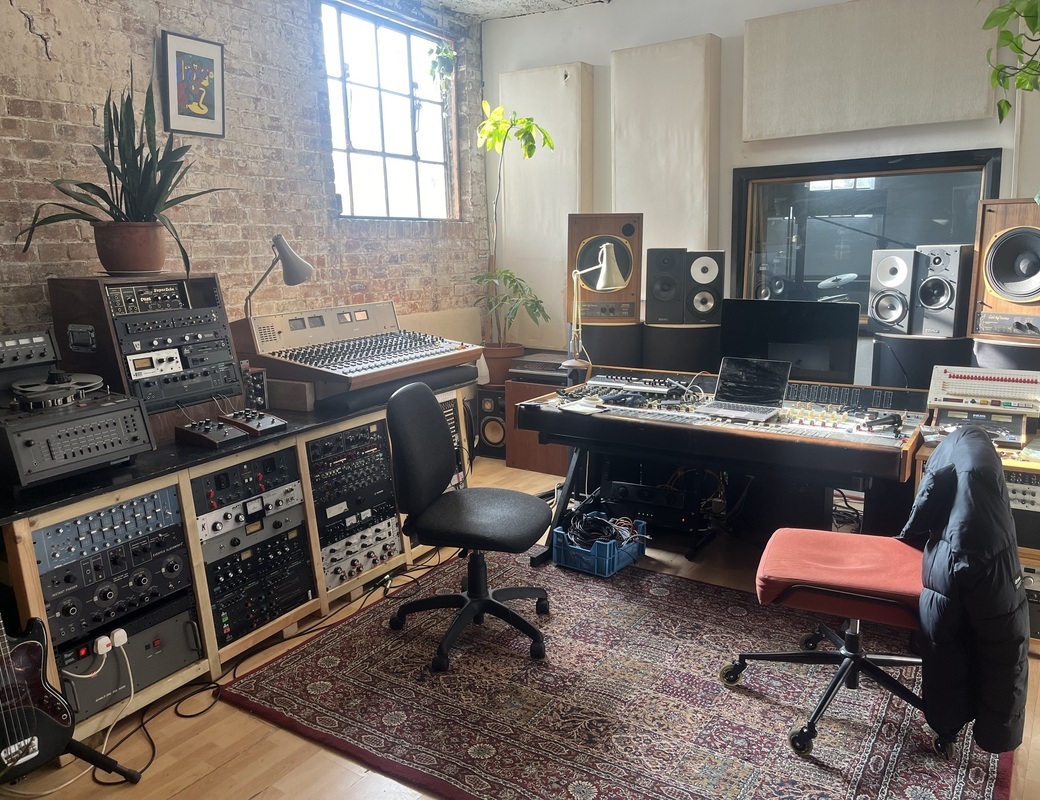
If you already love Brilliant Corners, then you'll love Giant Steps in Hackney Wick, a new club in collaboration with Analogue Foundation. Perfect for the ones who love to get it groovy on the dancefloor.
Donlon Books is an atmospheric little bookstore on Broadway Market (in East London.) They sell rare art books, style publications, and homemade photography zines.
Classic, wood-panelled boozer with banquettes and bar stools, plus a pool table.
Situated close to Goldsmiths, University of London. Vibe: Art School meets Football Fan meets Mark E Smith.
One of my favourite things about London is the underground transport system itself. I love the design of the information systems and the stations have so much history — some of them dating right back to the 1800s.