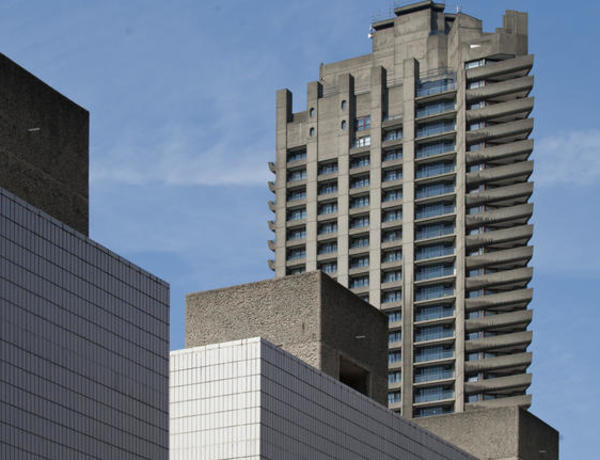
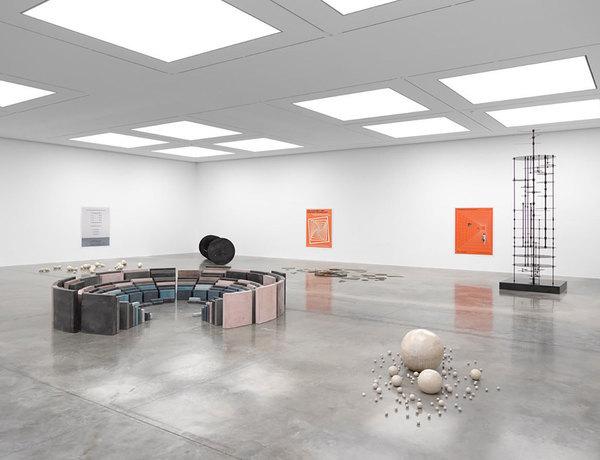
Barbican, a residential estate in central London, is known for its brutalist architecture, almost a social experiment on how to live in an estate. I love walking around this area looking at the geometric shapes, the contrasting public spaces and the use of materials. The term brutalist originates from the fresh word for ‘raw’, and concrete is typically used as one of the main materials.The Barbican centre located in the centre is an arts centre and the largest of its kind in Europe, and was opened in 1982. The centre is used for classic and contemporary concerts, teatre, film screenings and art exhibitions, and houses a library, restaurants, cafes and bars. The areas’ architecture really invites you to go on a photo safari as there are great angles and light everywhere.
Classic, wood-panelled boozer with banquettes and bar stools, plus a pool table.
Situated close to Goldsmiths, University of London. Vibe: Art School meets Football Fan meets Mark E Smith.
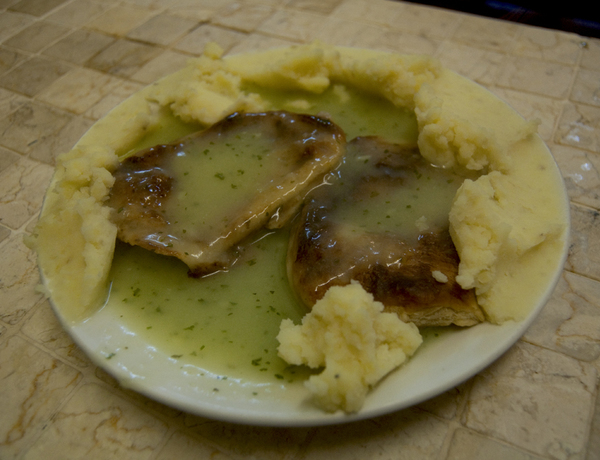
A traditional pie, mash and liquor shop in south west London that is run by the latest generation of the Harrington family who opened it in 1908. It looks like it hasn't changed since the day it first opened but it's a place with absolutely no pretentiousness to it at all, this is unapologetically working class and down to earth. If you want an overpriced cappuccino and wi-fi there's a Cafe Nerro down the road but if you want fantastic traditional London food you won't find anywhere better in the city. They even do pie and mash to take-away. I just wish it wasn't closed on Sundays.