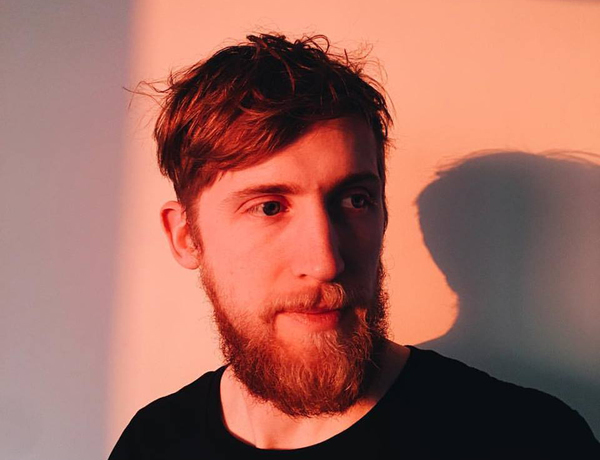
Robert Wallace, A.K.A. Parallel Teeth, is a director, animator and illustrator. Originally from New Zealand, he currently works and lives between Wellington and London.
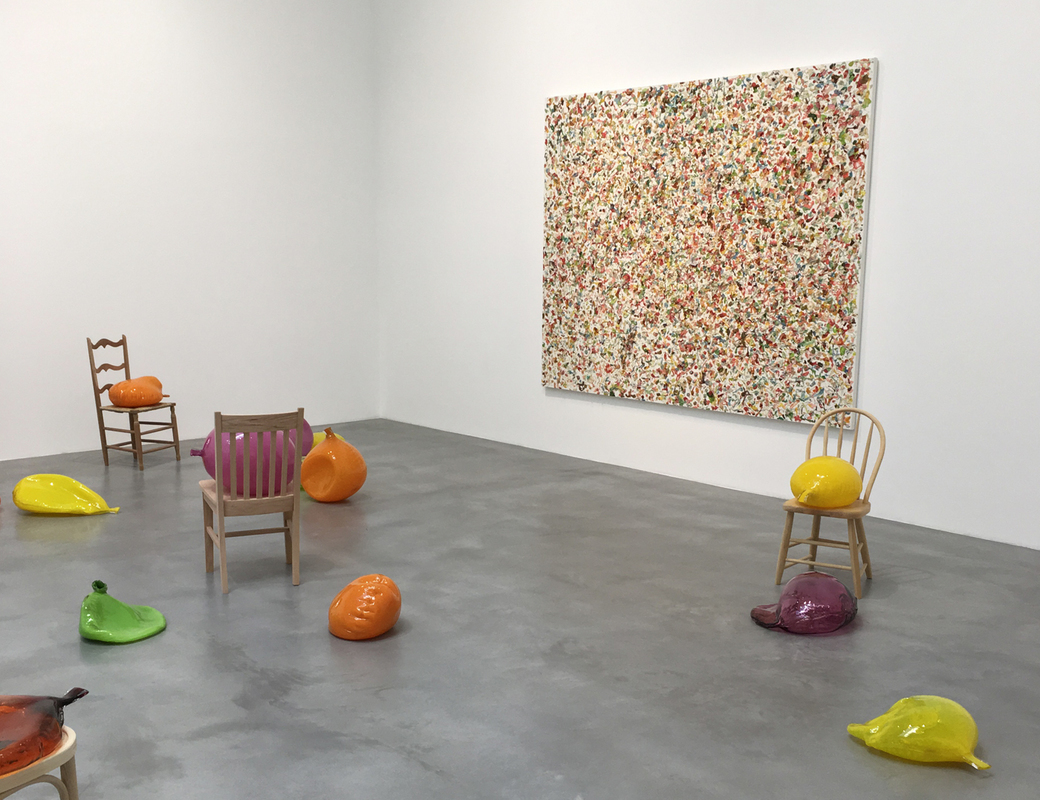
Ever since visiting the exhibition space, a few years ago, I don’t think I have ever missed one single show. It is one of the best exhibition spaces for contemporary art in London, in my opinion. The scale and the light feel right. The environment is not too overwhelming and not too small. In addition, the bookshop has a good selection of catalogues, art books and magazines.
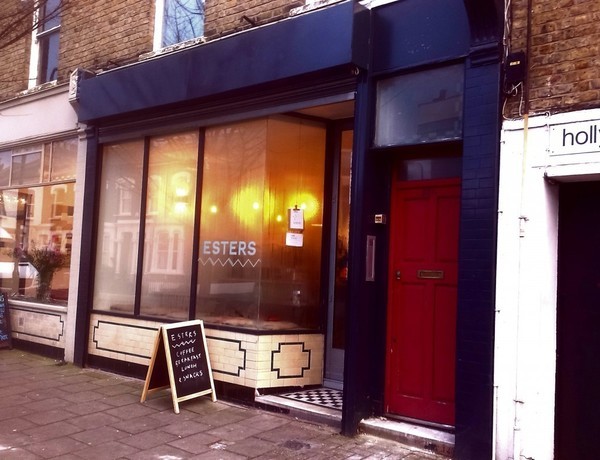
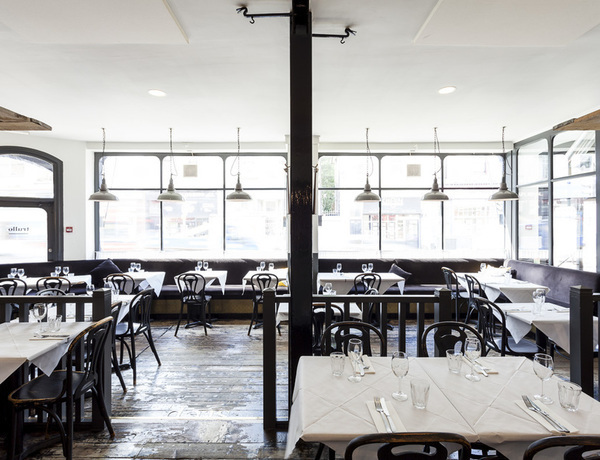
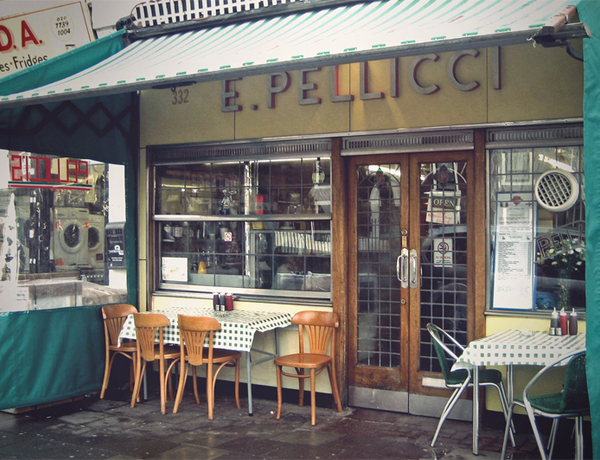
Being an East London boy at heart I am partial to an occasional fix of café culture. Pellici's has been running since the start of the last century, to which me, my father and my father's fathers have all enjoyed its mix of tasty Italian/London grub and energetic atmosphere. If you're visiting, make sure you drop by, as it will provide a valuable, forever-depleting education into what East London is really all about.
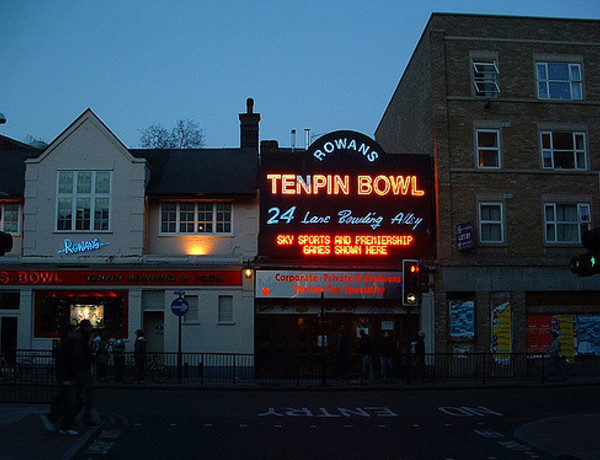
Bowling alleys, karaoke rooms, pool tables, arcade machines, this is basically Feltham Bowl for adults. Part of the holy trinity along with Max's Sandwich Shop and The Faltering Fullback