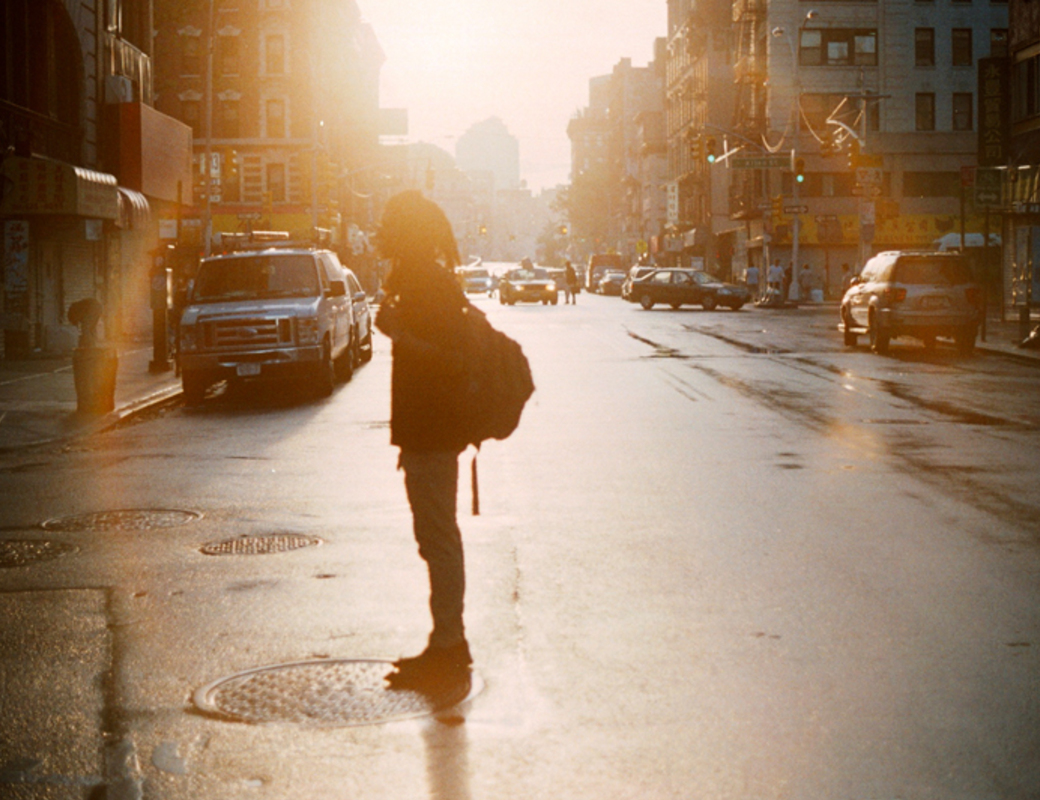
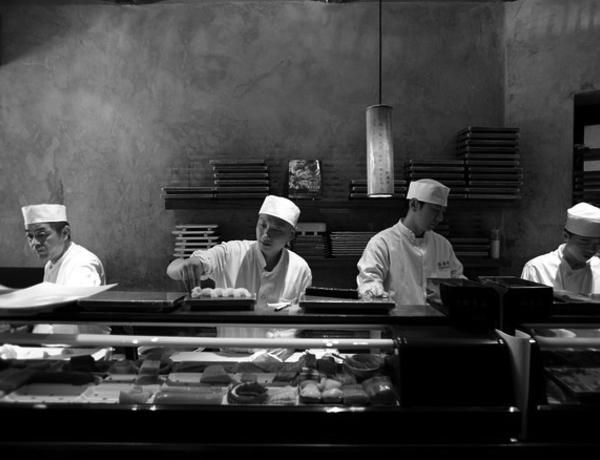
Manhattan’s Chinatown is my second favorite neighborhood next to Fort Greene. It’s full of people, odors, bars, clubs, cafes, and restaurants. There’s always something going on here.
I am a 23 year old camera-operator and story-teller, originally from Minnesota, but I now live and create in New York City. My stee-lo is to record the world around me - mainly the interesting people and places that I encounter.
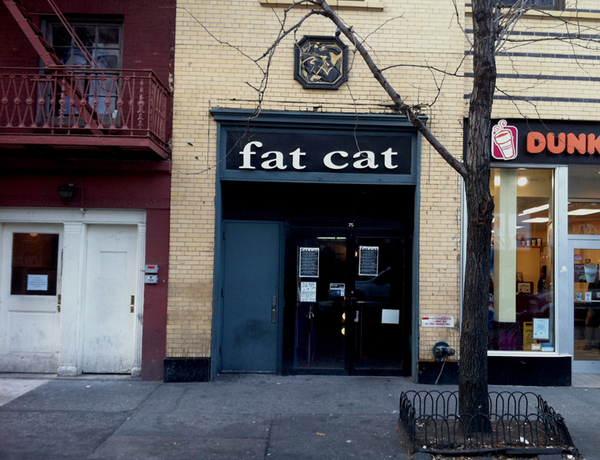
It's a bar with live Jazz music, random furnitures, and bunch of games like pool, ping-pong, chess, and etc. The place is filthy, disorganized, and fun.
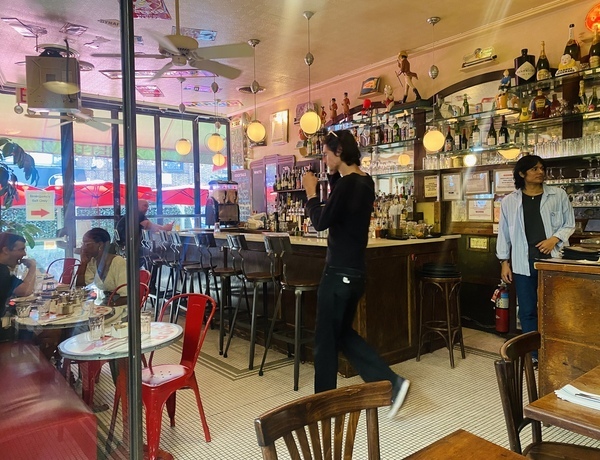
I go here mostly because of the vibe, it”s a French bistro meets a plant shop and the sister restaurant to Tartine in the West Village. The Shakchuka and the fennel salad is delicious, so is the onion soup. Cute Rooftop during the summer.
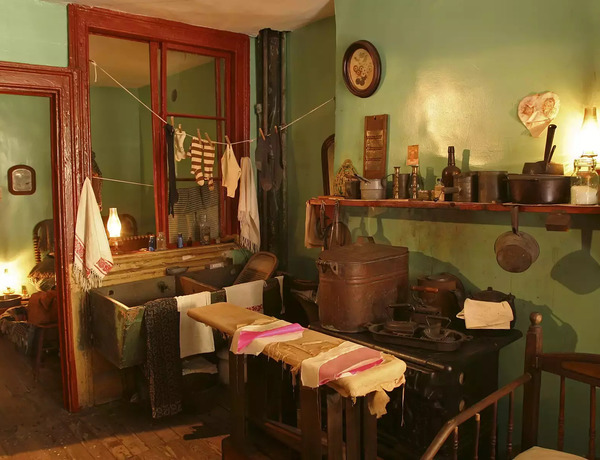
The Tenement Museum celebrates the enduring stories that define and strengthen what it means to be American. We share stories of the immigrant and migrant experience through guided tours of our two tenement buildings on Orchard Street and the surrounding neighborhood on the Lower East Side of Manhattan. Visitors can take building tours of the recreated homes of our former residents between the 1860s and the 1980s as well as walking tours of the neighborhood they lived in.