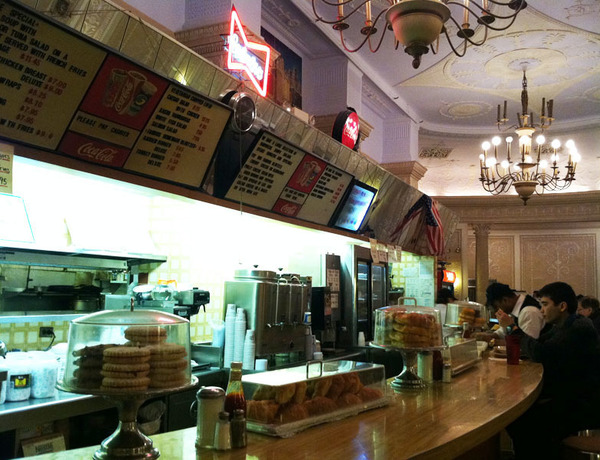
Nothing is more quintessentially New York than a diner. This eatery not only serves excellent, traditional diner fare, but does so in an eclectic environment that mixes Baroque decadence with Midtown grit.
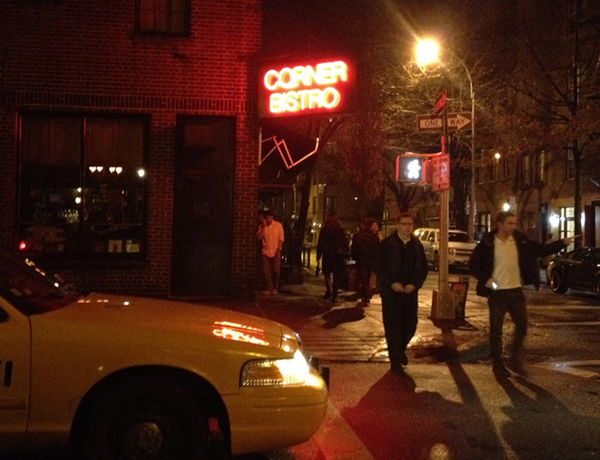
I have been getting burgers here since I first moved to NYC. I think it is 1000 years old or something like that. Only two types of burgers, with or without bacon. I like easy decisions and this place is full of them. There is usually a line to be seated, but it always seems to go fast with $2.50 mugs of McSorley's. It's also at this strange vortex in the west village where 4th street and 12th street cross. Maybe that's why the line never takes too long and everything is so cheap.
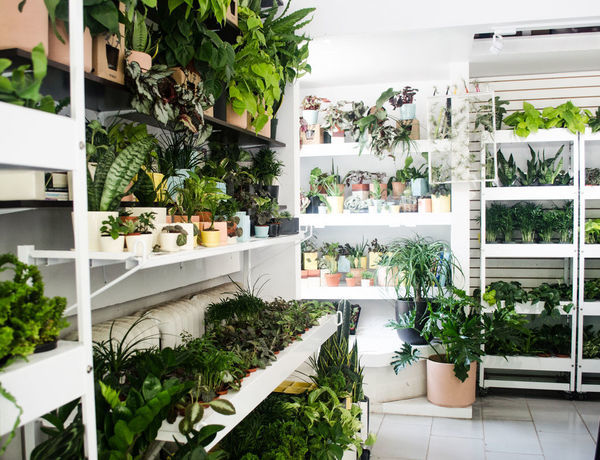
The Sill is one of our favorite places to shop for plants in all of New York City, offering amazing customer service and a busy calendar of events in their tiny shop on Hester Street to help you learn exactly how to keep that fiddle leaf fig or pothos alive.