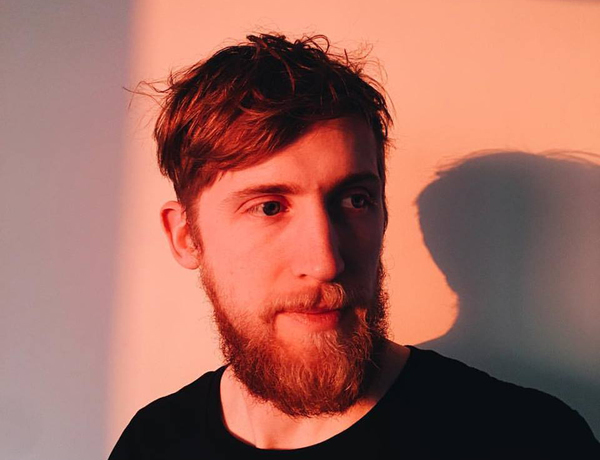
Robert Wallace, A.K.A. Parallel Teeth, is a director, animator and illustrator. Originally from New Zealand, he currently works and lives between Wellington and London.
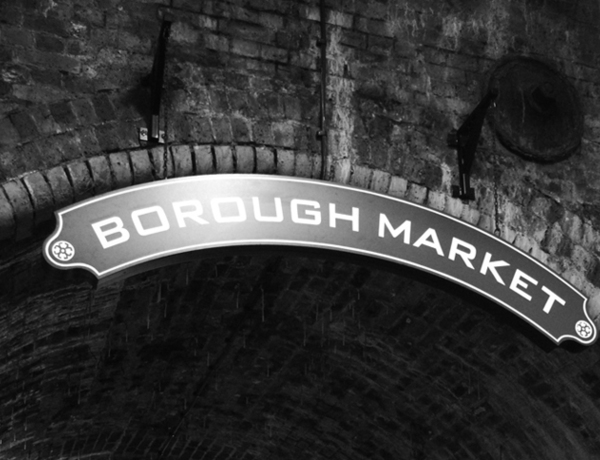
There are not many places in London like it. On a Saturday during market hours it heaves with stalls and visitors for a good mile or two. Great place to pick up some bric-a-brac, genuine oddities and a great bite to eat, or just enjoy the hustle and bustle vibe of the place.
The number 9 bus is the last of London’s old Routemasters. It’s a reminder of how far London has come over the years both in technology and design. The route itself is also one of the Heritage routes going past all of London’s key attractions such as Trafalgar Square, Piccadilly Circus, Hyde Park Corner and the Royal Albert Hall and the buses are still run by a traditional conductor which is fun and keeps things personal. It is a quintessential London journey.
A Hint of Mint, Taylors Sky, Class Freedom, Horseshoe Ping – amazing names, muscle, speed, beers, the cheap thrill of Greyhound racing at the dog tracks is a London must. It was best experienced at Walthamstow Stadium, an iconic 1930's stadium with a fantastic neon sign that sadly closed for racing in 2008. However fights to save it from demolition and reopen it for racing have been ongoing since then. So please support the campaign 'Save our Stow' and in the meantime head to the dog tracks in Romford, Wimbledon or Crayford.
Although freedom of speech is a human right in most civilised countries, Speakers’ Corner has been described as one of the few places in the world where anyone can just climb on a ‘soapbox’ and speak their minds on any subject as long as the police considers it lawful – and almost be guaranteed an audience.
It has been like this ever since this area of London’s Hyde Park was the site of Tyburn gallows, where public executions took place between 1196 and 1783, and the condemned were allowed to speak before being hanged.
Over the centuries, Speakers’ Corner has been the site of riots, demonstrations, public meetings of groups – such as the communists – that weren’t allowed to gather anywhere else, and was frequented by Marx, Lenin, George Orwell and many other historic figures.
While today it is mainly the scene of eccentrics, religious fanatics and oddballs of all kinds, several prominent speakers such as Heiko Khoo and Jonathan Fitter keep the tradition of meaningful discussions around political and social themes alive.
Religion has been debated in Hyde Park since the right to meet and speak freely was formally established in 1872. Today it’s the dominant topic by far, with religious speakers and preachers drawing the biggest crowds and clearly outnumbering the political meetings.
I have been documenting the people gathering here every Sunday since 2012.